Thank You Brownies

“Make him those brownies!”

I was having lunch with Chefs James Clark and Bill Hartley.  We were discussing exciting news.

I originally met the guys in their positions as executive chef and executive sous at the Crossroads Carolina.  Each time I went, they stuffed me like a Christmas goose with their expertly prepared food.

They’d recently left the Carolina Inn to open their own place, in Pittsboro.  It’s to be a fish house called Postal Fish Company.  And due to planned twice weekly trips to the coast, the freshest, most sustainable seafood this side of the ocean will be served.  The projected opening date is Fall 2017.

postal fish

We’ve sat down a couple of times, to discuss those plans.

The first time we met was for breakfast.  Since every time I visited the Carolina they fed me, I decided that turnabout is fair play.  So I baked them some treats.

It was a new version of my jacked-up brownies.  I’d come up with them when I made them for a couple of my old high school friends with whom I meet for monthly lunches.

They’d been such a big hit I thought Chefs Bill and James might enjoy them.  The funny thing is, they couldn’t be easier—it starts with a box.

Appreciation Brownies

thank you brownies

1 9X13 box fudge brownies (I usually use Duncan Hines)

2 eggs

2/3 cup + 2 teaspoons vegetable oil

¼ cup hot water mixed with 1 tablespoon espresso powder

¼ cup Hershey’s Special Dark cocoa

1 teaspoon vanilla extract

1 teaspoon kosher salt

12-ounce bag mini semisweet chocolate chips

1-1.69 ounce bag plain M & M’s

Topping:

1-1.69 ounce bag plain M& M’s (two bags total)

¾ cup salted pretzel pieces

1 teaspoon large flaky sea salt (like Maldon salt)

Preheat oven to 350.  Grease a 9X13 baking pan, line with parchment paper, and grease as well.

In a large bowl, mix first 6 ingredients.  Put in mini chips, and stir vigorously, scraping the bottom of bowl to make sure they’re fully mixed.  Fold in one bag M & M’s.  Pour into pan, and spread batter with spatula so that it’s flat and level.

Sprinkle top with second bag of M & M’s and pretzel pieces.  Place in oven on middle rack and bake for 13 minutes.

Remove from oven and sprinkle Maldon salt evenly over the top of brownies.  Return to oven and bake for 13 more minutes.

Remove from oven and let cool on kitchen counter and/or fridge until fully cool.  Using the parchment paper, lift out brownies and cut into 12-16 pieces.

I think Chefs James and Bill liked them.

Last week we met again; this time for lunch at an amazing place in Chapel Hill called Sandwich.

Everything is homemade, with a menu loaded with sandwiches, salads, and polenta bowls.  They make potato chips from scratch.  And their freshly cut fries are as good as Al’s at the state fair.

While we were eating, I told the guys that our neighbor had repaired the AC in our jeep.  I was crazy grateful, and couldn’t even guess how much money he had saved us.  I wanted to do something to thank him, but I wasn’t sure what to do.  Did they have any ideas?

Their recommendation is where we came in.

While I was out walking the dog yesterday, I ran into my neighbor.  He, his wife, and all his in-laws loved the brownies.  So I guess they’ve become my official thank you gift.

Great suggestion, Chef James and Bill; I’m grateful.

Thanks for your time.

Happiness by the Pound

I really like a dish detergent that smells nice.  For a long time I used one that smelled like green apple Jolly Ranchers.  But it became harder and harder to find, until I had to look for another.

So there I was in Kroger, facing the great wall of dish detergent.  They were every color of the rainbow and every botanical aroma in the olfactory rainbow.

Then I spotted a bottle of creamy violet liquid.  And ever since the first grade when I saw purple socks on Donny Osmond, all shades of purple have been my favorite color.

It was Palmolive blueberry/almond.  I love blueberries.  By themselves or in stuff; don’t care.  Last weekend I was at Maple View Dairy and had their scrumptious blueberry ice cream.  I even have a small blueberry bush in my yard.  Unfortunately, it only produces about twenty berries—and I have to arm wrestle neighborhood birds for those.

This is Rodney.  He sucks.

Dumb birds.

Back at Kroger I unscrewed the cap and took a sniff.  It smelled just like sun-warmed blueberries, and lightly toasted almonds.

I took it home.  It’s become my brand.  The best is when I squeeze some onto a hot pan.  I get a face full of steam that smells like warm desserts stuffed with blueberries and almonds.

Which got me thinking…if hot dish detergent smells like something I’d like to taste, what if I baked something with the same ingredients, but without all the soap?  My nose was already convinced it was a great idea.

I decided to try the combo in a pound cake.  But I didn’t want it to be an ordinary pound cake.  The combination of blueberries and almonds remind me of hot summer nights out on the back porch, quiet country lanes, and small town farmers markets.

My pound cake would be an old-fashioned, traditional pound cake.  That means no leavening (baking soda and baking powder).  The bulk of the lift would come from the air beaten into the batter.  The NC state fair even has two different categories for the pound cake contest; one with leavening and a traditional one, without.

It’s also started in a cold oven.  The slower heating gets every last bit of rise out of it before the cake starts to set.

Traditionally, a pound cake was made with a pound of butter, flour, eggs, and sugar.  My recipe uses cups, ‘cause that’s just how I roll.  And the salt in the recipe is only for enhancing flavor.

Blueberry Almond Pound Cake

blueberry pound

Ingredients:

6 eggs

1 cup butter (2 sticks)

3 cups sugar + 2 tablespoons

3 cups all-purpose flour (divided)

1 cup heavy cream

1/2 teaspoon almond extract

1 teaspoon vanilla

1 1/2 cup fresh blueberries

1-1 1/2 cup raw sliced almonds

big pinch of salt

Instructions

Generously grease and flour tube pan and set out eggs and butter to allow them to come to room temperature.

In a large bowl, cream the butter and sugar until smooth.  Add the eggs, one at a time, beating for one minute after each addition.

Reserve 2 tablespoons of flour and sift the rest with the salt and add it to the creamed mixture alternately with the heavy cream, starting and finishing with the dry ingredients.

Mix until fully incorporated, and quite fluffy.  Stir in the vanilla and almond extract.

Toss the blueberries with 2 tablespoons flour to coat, and gently fold into batter.

Pour into prepared pan.  Sprinkle almonds on top, and then sprinkle 2 tablespoons sugar over.

Place in a cold oven. Turn the oven to 300 and bake for 80-90 minutes, until a toothpick inserted in the center comes out clean, but moist.

Cool for 20 minutes then remove from pan and flip back over so that almonds are on top.

Serve with more berries and ice cream.  Or, Spread butter on slices and toast in oven until golden brown.  You should get about 16 slices.  Store in airtight container.

Don’t let this cake intimidate you.  Remember, this is the way folks baked for millennia.  Only you have the advantage of an electric mixer.  In addition, you probably don’t have to milk a cow, or fondle a chicken for her eggs.

Thanks for your time.

Of Rice and Men

I kept seeing it everywhere.

3 mags.png

Every month, without fail, I read three magazines cover to cover: British Cosmopolitan, Mad Magazine, and Our State (you’d think I’d be embarrassed by that admission, but, no, not so much).

I occasionally pick up other titles like InStyle, Family Circle, and the odd cooking magazine.

But I draw the line at those one-off, specialty food publications.  You know the ones; church supper potluck recipes, gifts from the kitchen, 200 recipes for hamburger, that kind of thing.

While I love specially curated culinary collections, they start at about ten bucks and go up from there.  I just can’t justify laying down that amount of cheddar for a magazine that I might only read once.

But lately, every time I’ve stood in line at a grocery or bookstore, this one publication was staring me in the face.  There was a stack of gorgeous, golden fried green tomatoes on the cover, and the promise of many more delights inside.

It was Southern Cast Iron, and after I saw it for the fourteenth time, I finally broke down and bought it.

I’m really glad I did.

It was no bait and switch rag.  It had tons of delicious-sounding recipes, and the inside was as gorgeous as the cover.

There was one story that really caught my eye.  It was an interview with Nathalie Dupree and co-author Cynthia Graubart about their book, Mastering The Art of Southern Vegetables.  This was actually before I knew we’d have a food chat.  Quelle coincidence!

They talked about the history of vegetables in the south, their philosophy, and their love of cast iron cooking.  Along with the interview were some recipes.

One was for okra pilau (unbelievably it’s usually pronounced “per-lou”—don’t ask, I’ve no idea).  Pilau is a Southern take on rice pilaf.

Regardless what it’s called, every rice culture has some kind of pilaf.  It possibly originated in ancient Persia, but traveled far and wide, and showed up in various cultures with names like, pilau, polow, and even paella.

Well last week I made it, and it was a huge hit.  It was simple, but full of flavor.  The Kid thought I had added herbs and spices, but the sole ingredients were bacon, rice, okra, salt and pepper.  Since the magazine has already printed it, I’m doing a pilau which is inspired by Nathalie’s tasty, tasty dish.

Pecan Pilau

corn pilau

3 tablespoons butter

1 cup pecan pieces

1 large yellow onion, sliced into half moons

1 cup white shoe peg corn

1 cup rice

2 cups water

Salt and pepper

Heat large cast iron skillet to medium.  Melt butter and add pecans.  Season and sauté until toasted.  Remove and set aside, leaving the butter.

Add onions, and reduce heat to medium-low.  Season, and cook stirring occasionally until caramel colored.

Turn burner to medium, add corn, and cook until there’s a little color on the kernels.  Add rice, and cook until the grains start to smell nutty.  Add water and bring to boil.

When it begins to boil, cover, reduce heat, and cook for 17-20 minutes or the water’s all cooked in.  Remove from heat, leave covered, and let rest for 10-15 minutes.

When ready to serve, add back pecans, and gently toss with a large fork.  Serves 4-6 as a side.

So, there you go.  You learned a new recipe and some history about rice.  And now you probably know way more about what goes on in the dim, chaotic crawl space of my mind than you ever wanted.

Thanks for your time.

Food Chat: Grande Dame Edition

I, and anyone that eats my cooking owe her a debt.

Chefs James Clark, Amy Tornquist, and Jason Cunningham and many other chefs also owe her a debt.

The ‘her’ in question is Nathalie Dupree.

In 1986 a food revolution took place when Nathalie Dupree published her first cookbook; New Southern Cooking.

Traditional Southern cooking is the stew of European and African cultures with the crops and meats available in the South.  It’s the mélange that occurs when lack of funds is combined with surfeit of time.  Her book restored pride in the kitchen heritage of the South and introduced it to a wider world.

Nathalie took traditional Southern dishes and filtered them through the classical culinary training she received in London at Le Cordon Bleu.  She elevated it and transformed it from cooking to cuisine.  And along the way, became a legend.

So much so that in 2011 the premiere women’s culinary society, Les Dames d’Escoffier International bestowed upon her the title of Grande Dame.

As for me, her shows on PBS were my first exposure to true Southern cooking.  I watched her cook with love, pride, and skill.

The weekend of August 5th, Nathalie Dupree will be in Chapel Hill, at Southern Season for a Southern cooking class, and book signing.  Last week, I completely lucked out and had a phone chat with her.

If you’ve never been tele-taught by Nathalie, I highly recommend it.  She’s made hundreds of hours of television on PBS, Food Network, and the Learning Channel.  Many of her episodes are available on You Tube.

I asked her how she feels about the explosion of celebrity TV chefs.

She feels that when Food Network moved from cooking lessons to game shows, something was lost.  One of the few shows she watches is Ina Garten.  Which makes sense, because although one’s from the north, and one’s from the south, they both love entertaining, and respect food.

Besides, believe it or not, Nathalie was actually born in New Jersey, but so very raised in Dixie.

Always the teacher, she gave me some life changing lessons during our chat.

When you come in after a long day and are too tired to think or do what she calls the “pantry waltz” (great term, no?), she suggests keeping a list of easy meals which can be made quickly from on-hand ingredients.

On her list is shrimp and grits (her fave type is Anson Mill’s Bohicket, just like me) and scrambled eggs with cheese and a salad.  Another meal is something I’ve never had, but you can darn well be sure I’m going to very soon—Italian sausage sautéed with either apples or peaches, depending on the season.

She keeps a box of refrigerated pie crust handy.  Then when she has produce looking a little worse for the wear, or drips and drabs of this and that, she makes either a savory tart or even simpler, a free-form galette, a pie with the edges folded over the sides and baked on a cookie sheet.

And instead of a lattice top made of pie crust, shave a zucchini into ribbons and weave them into a lattice.

One of my favorite recipes is from her first book, New Southern Cooking.  Every Southern cook worth their salt and freshly cracked pepper should know how to make it.

Luckily, Nathalie generously gave me permission to share.

Old-Style Pimento Cheese Spread

pimento cheese

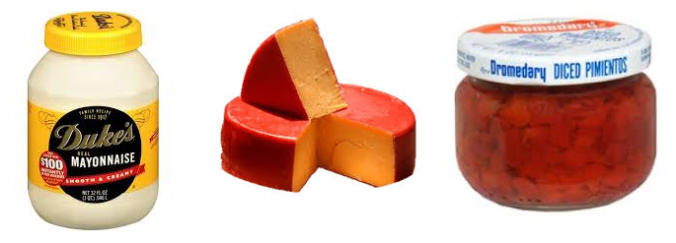
12 ounces grated rat or Cheddar cheese (rat cheese is an inexpensive local Cheddar-like cheese.  Hoop cheese fits this bill.)

2-4 ounce jars of  pimentos, drained

1 cup mayonnaise (Nathalie makes her own–but if you’re not up to that, a good quality store-bought like Duke’s, works)

Put all the ingredients in a food processor or blender and process until smooth.

I’ll let you in a shocking secret about Nathalie.

You know those Anson Mills grits she likes so much?

She cooks them in the microwave.  They cook no faster than stove-top, but it completely eliminates the danger of scorching.  Just mix up your favorites according to the directions, only mix them in a Pyrex bowl and nuke them on high.  Every 10-15 minutes give them a good stir, and keep cooking until they’re done.

And the next time you’re in one of the area’s many fine restaurants, enjoying fried green tomatoes, collards, or corn pudding, you now know you have Nathalie Dupree to thank.

Thanks for your time.

Food Chat: the Art of Southern Cooking Edition

Years ago, Southern cooking was denigrated as the food you cooked if you didn’t know any better.  It was commonly held to be the food of people who had no money and no imagination.  The only thing everyone agreed it had was heart; and lots of it.

It was gathering around Grandma’s kitchen table for Sunday dinner.  It was ‘putting up’ summer vegetables in a kitchen that felt like the inside of a steam iron.  It was desserts that were full of love, fat, and sugar.

But then folks got busy.  In many households, both mom & dad worked all day away from home.  There just wasn’t time, energy or desire to spend all day in the kitchen turning out big, heavy meals.

And as time passed, there were fewer of those old-school grandmas left.  Those recipes and techniques were forgotten.  And we were all the poorer for it.

Then along came Nathalie Dupree, and everything changed.

In 1986 her book, New Southern Cooking was published.  And all that humble Southern fare was reintroduced to a new generation.  And this generation realized that home cooking, Southern cooking, country cooking; whatever you called it, was an important gift from our ancestors.  It was something to treasure and something in which to take deep pride.

It was better than the convenient meals we had traded it for.  Cleaner, tastier, and healthier—to mind, body and spirit.

On the weekend of August 5th, Nathalie Dupree will be in Chapel Hill at Southern Season to conduct a cooking class and a book signing (check their website for particulars).

Last Friday, I had the opportunity to have a telephone food chat with Nathalie (I tried calling her ‘chef’, but she quickly corrected me, “Everybody calls me Nathalie”.)

When I first became interested in cooking, I never missed her PBS show and have quite a few of her cookbooks.  She is one of my very first culinary mentors.

She’s a Cordon Bleu-trained chef, a renowned hostess, a savvy business woman, and a moving author (Get your hands on her essay, “Lover’s Menu”; it’ll break your heart).

She insists that her hundreds of shows; on PBS, The Learning Channel, and Food Network, were education, not entertainment.  And she’s still a teacher, who makes learning completely painless (and plenty entertaining).

She gave me a tip which I will use for the rest of my life when writing recipes.

Unless it’s a baking recipe (which is chemistry that relies on proper proportions for success); she doesn’t list an amount for salt and pepper.  You cannot season unless you taste.  And as the cook, you must taste and determine for yourself.

Nathalie generously gave me permission to share her recipes with you.  I chose one of her specialties; simple Southern vegetables viewed through the lens of a classically trained chef.

Green Black-eyed Peas, New Style

black eyes

2 cups fresh black-eyed peas, and snaps

4 cups boiling water

3 tablespoons butter

2 tablespoons chopped fresh savory and/or thyme

Salt

Freshly ground black pepper

Place peas in a pot with the water and bring to the boil.  Add butter, and let boil for 20 minutes.  Add the herbs, salt and pepper.  Serve the peas hot and slightly crunchy in their “pot likker”.

Nathalie Dupree started the new Southern cooking movement.  She’s sold over half a million cookbooks.  Her cooking school in Atlanta has educated over 10,000 students.  She’s won two James Beard awards.

She rescued Southern cuisine and in doing so changed the way we all eat and cook.

Thanks for your time.

Seriously, Cornbread

Durham, one of the most diverse, tolerant cities in the nation is my much loved home.  I wouldn’t trade living in the Bull City for anything.  It’s a funky, lively, friendly burg that is willing to give every person and idea a fair shake.

And yet, up until a few weeks ago I was guilty of a prejudice, which was acknowledged to anyone who cared to ask.  I had no patience for this particular belief system and harbored serious doubts about the character and stability of its adherents.

I love too.  Steaks, burgers, pork chops, scrambled eggs, bacon…

I’m not very proud to admit it but, I was utterly bigoted against all things vegan.  I was convinced it was the flavorless choice of persnickety, joyless, holier-than-thou people with whom I wouldn’t want to be stuck next to at a dinner party.  I mean, they can’t eat honey, but bread is okay.  Yeast is a living organism too, right?

But then, at Whole Foods, I discovered the moistest, most delicious cornbread I’ve ever eaten, and was completely flabbergasted to discover that it was vegan.

Whenever I eat something that I really like, I try to get the recipe to share with you, gentle reader.  If the answer is no, often I try to come up with a recipe which is inspired by what I’ve eaten.

I’d say my success rate is 85-90%.  Funnily enough, I’ve never had anyone offer the recipe but refuse permission to print it.

Getting this one was a little tricky.

Unlike an independently owned and operated business, or where the recipe is owned by the individual, Whole Foods has a corporate structure.  The bakers at your local store can’t just give out the recipes all helter skelter-like.

I was directed to contact Pat Parker, the baker in charge of 38 Whole Foods bakeries in the South.  He generously sent me the recipe for the corn bread.  But its arrival brought with it a number of new complications.

Being much more precise, professional bakers use weight, not measure.  Meaning instead of 1 ½ cups of all-purpose flour, it will be 6.75 ounces, or 180 grams, because to confuse things further for the home baker, sometimes recipes are in metric.

And, if a bakery is going to make something, say cookies, they don’t make a home amount like two or three dozen, it’s more like twenty dozen.  So then, the ounces in the recipe become pounds.

And that is what Mr. Parker sent me.

I converted the recipe to ounces, and reduced the amount by 75%.  But, I felt that after two such drastic conversions, that to convert to cups and tablespoons would be pure folly.  It would be like translating a novel from Russian to English, then putting the whole thing in iambic pentameter.  I was afraid that instead of making corn bread, you would get some kind of mutated abomination that would climb out of the oven under its own steam, and steal your car.

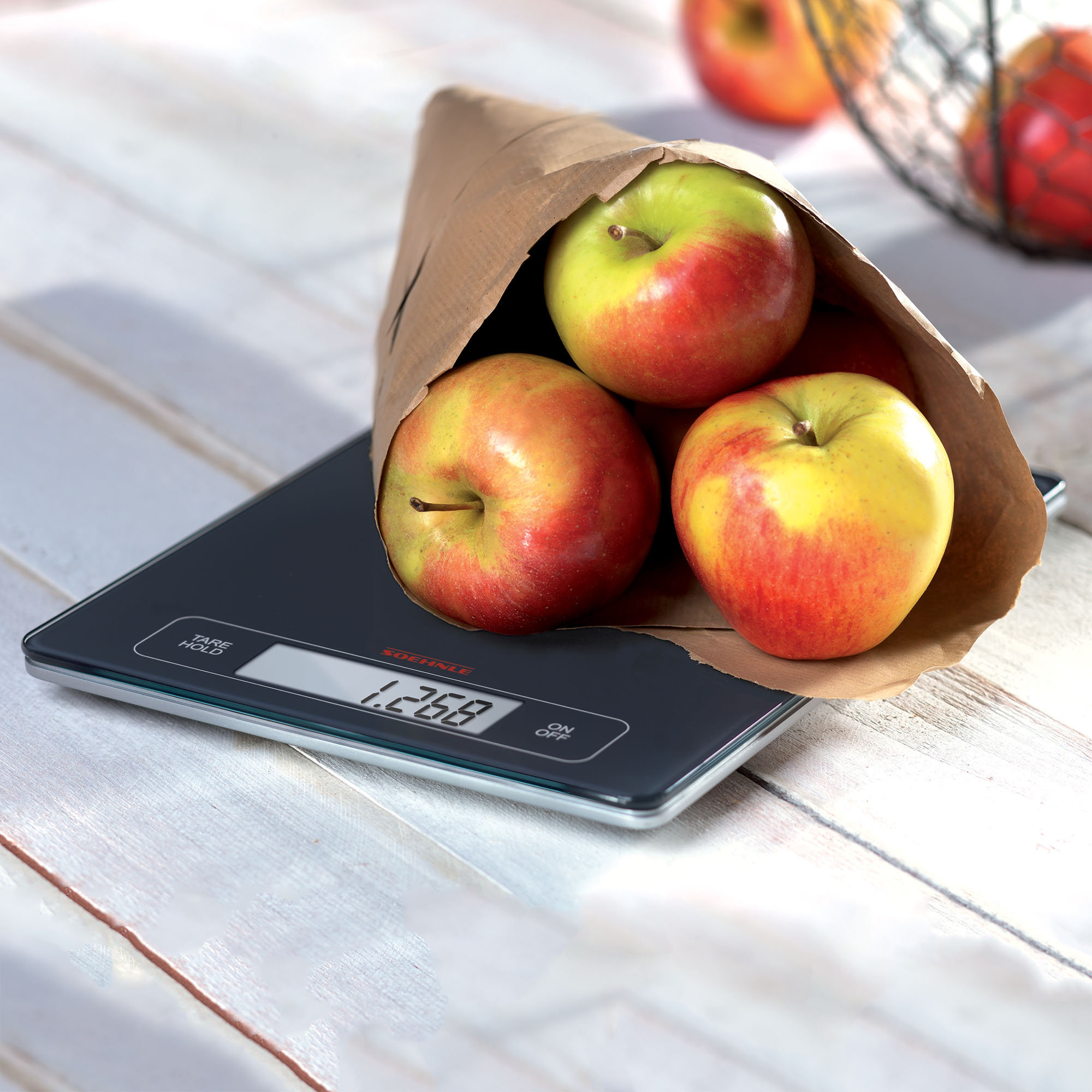
So, the recipe is in ounces.  But I don’t recommend attempting this unless you have a very accurate digital scale.  My scale is analog, and I’m too chicken to give it a go.

Whole Foods vegan cornbread

vegan cornbread

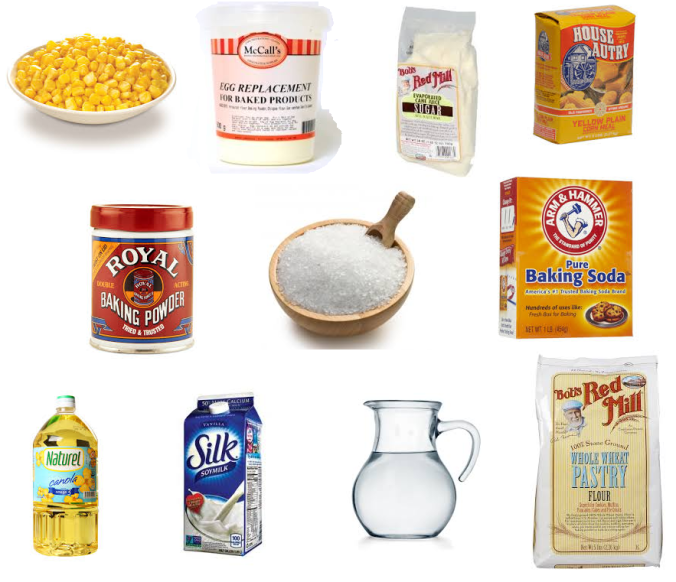
0.65 ounces Baking Powder

0.156 ounces Baking Soda

2.06 ounces Frozen Corn Kernels

7.75 ounces Yellow Corn meal

.25 ounce Egg Replacement

3.71 ounces Evaporated Cane Juice

4.45 ounces Canola Oil

6.2 ounces Pastry Flour

0.165 ounces salt

12.375 ounces Soy Milk

3.09 ounces water

Rub a couple teaspoons oil into cast iron skillet and put in oven.  Preheat to 375 degrees.

Sift together baking powder, baking soda, corn meal, pastry flour, and salt.

In a separate bowl, whisk together egg replacement, cane juice, oil, milk, and water.  Add corn kernels.

With wooden spoon, combine wet and dry until just mixed.  Do not beat. 

Pour into skillet and bake 15-20 minutes or just until it browns around the edges and center springs back when touched by finger.

Makes 1-10 inch skillet which serves 6-8.

So I will leave you with two pieces of information about me.

I’ve rethunk my whole vegan people/vegan food bias.  And, when I want some more of that fabulicious corn bread, I think I’ll probably head over to Whole Foods, and buy it.

cart

Thanks for your time.


Honey, It’s You

So there I was, seven years old, laying on my stomach with my pants down, trying not to cry  while my friend’s mother tried to gently pull the stinger out of my butt.

When I was informed that after a honey bee stings a person, it dies, I thought it was a fitting punishment for the mortifying position into which it had thrust me.  But the bee was actually a victim of my adversarial relationship with gravity (I’d fallen keester first on it while the poor thing was just minding its own bee’s wax).

I may not have appreciated honey bees when I was a child, but I do now.

They’re actually much more useful and impressive than most people you’ll meet today.

Honey bees do two huge things for us humans.

In the US alone, they pollinate 14.6 billion (yes, I said billion, with a b) dollars of crops a year.  They are the sole pollinator of almonds.  Without their industriousness, countless crops would be greatly reduced.  If you think produce is expensive now, think about paying $50 for a head of broccoli—if you were lucky enough to find one.

And then we get to their sticky, amber-colored signature product; honey.

Before we even get to its yumminess and versatility, we need to talk about honey’s miraculous properties.

Unlike just about every other food you could name, honey never goes wonky.  Archeologists found honey in 2200 year old clay jars that was safe to eat and still yummy.

It has antibacterial and anti-fungal properties.  Put it on a cut—no infection.  Dab it on a zit, let it sit for 10 minutes or so and rinse it off.  The redness will go away, and in the morning, the pimple will be gone.

And it tastes so good.  The thing I love about honey is that not only will it sweeten anything it’s added to; it also adds its distinctive flavor.  And the flavor varies according to which flora the bees danced their pollination mambo.  The rule of thumb is; the darker the honey, the stronger the flavor.  My new obsession is buckwheat.  It has a surfeit of “honey-ness”.  It adds its uniqueness to all kinds of recipes.

Blueberry buttermilk chia seed pudding

blueberry chia

1 ½ cups low fat or fat free buttermilk

2/3 cup chia seeds

3 tablespoons honey

½ teaspoon vanilla extract

Pinch of kosher salt

1 cup blueberries

Directions:

Place blueberries in a bowl and mash with a potato masher.

Put buttermilk, chia seeds, honey, vanilla and salt into the bowl along with the blueberries.  Whisk until fully blended.

OLYMPUS DIGITAL CAMERA

Cover and refrigerate for three hours or overnight, until the chia seeds have swollen and softened to the size and consistency of tapioca. 4 servings.

Gramma’s Cough Syrup

cough syrup

Juice of 1 lemon

¼ cup honey

¼ cup Bourbon

Whisk together and drink at room temp, or spoon into hot tea.

Chrissy’s Dressing

chrissy's dressing

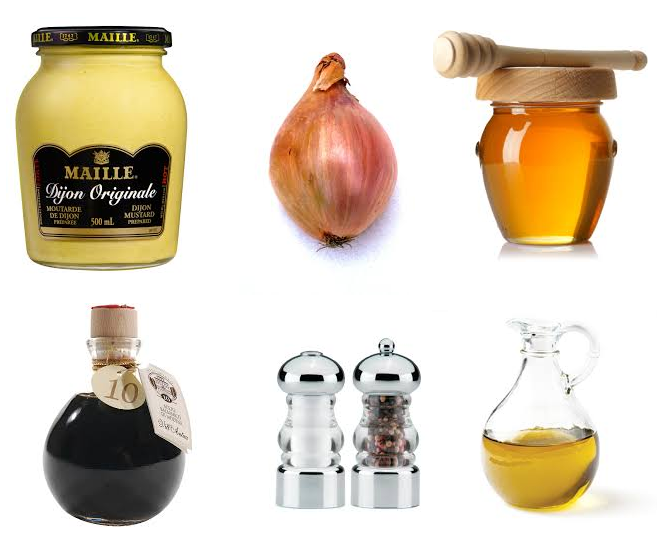
1 tablespoon honey

1 tablespoon Dijon mustard

1 shallot

¼ cup Balsamic vinegar

1/3 cup olive oil (approx.)

Salt and pepper to taste

Put first four ingredients into a blender or food processor.  Blend ‘til smooth.  Slowly add oil until it is a dressing consistency.  Season, and taste for seasoning.  For best flavor, eat within an hour.  Makes about one cup.

And if you’ve never tried creamed honey, give it a go.  A schmear makes a piece of toasted multi-grain totally taste like decadent French toast.

You may have heard of colony collapse disorder.  They truly are in peril.  So, support your local honey bee.

Don’t sit on them.

Thanks for your time.

Sloshed, yet sophisticated

Q

It even looks sinister, doesn’t it?


When I was a very little girl, and had a horrible tummy ache, as a last resort my mom gave me this miracle medicine.  It never failed to calm my belly and send me off into drugged slumber.  It was available over the counter until 1970 and was called paregoric.  The flavor was why the phrase “medicinal tasting” was invented.  It was also chock full of morphine (guess that’s why you can’t just pick a bottle off the shelf at the Rexall anymore).

About two and a half centuries later, when I was a bartender at a country club, I made swimming pools full of gin and tonics without indulging.  Finally, I took a taste.

I was transported right back to my footy pajamas, choking down a spoonful of that nasty stomach medicine.  Nope, I decided that g&t tastes like paregoric, and thus would never again pass these lips.

I’m not really a big drinker anyway.  For a few reasons.

  • I don’t drink very much of anything. In my entire life, I don’t believe I’ve ever finished a bottle of Coca-Cola all by myself.
  • Being out of control is scary and embarrassing. The worst is when sober Debbie’s in my head, trying to help, and drunk Debbie’s yelling, “Back off, Captain Buzz Killington! Besides, we’re fine; totally graceful, witty, and charming.”
  • Alcohol is stuffed full of calories. And if I’m mindlessly consuming vast quantities of calories, they absolutely need to be of the chocolate persuasion.

But on Saturday, June 11th, The Kid and I went to The Carolina Inn for a BBQ Throwdown.  There would also be plenty of various alcoholic libations

When I woke up that morning, I decided that at the throw down, all nutritional bets and caloric considerations were off.

Right after we checked in and got our arm bands, we sampled four kinds of Jack Daniels.  They were good.

Then somehow I decided it was time to give gin another chance (although it may have been the Bourbon samples deciding for me).  There were garnish ingredients so we could personalize or drinks.

I chose cucumber and lime.

How glad I am that I gave this most British of spirits a second chance.  It was clean and bracing.  The garnish worked well.  And it gave me an idea.

Cucumber Gin

cuc gin

1 Fifth of crystal gin minus 1/2 cup or so

2 cucumbers, peeled and grated

Stuff cukes in bottle of gin.  Let sit in a cool dark place for 2 weeks.  Drain, and pour gin back into bottle. 

Green gin and tonic:

green gibn

2 ounces cucumber gin

4 ounces tonic water

½ lime

Pour gin and tonic into a rocks glass with ice.  Squeeze lime into glass.  Give it a gentle stir.  Run the squeezed lime around the rim of the glass.  Serve.

There were eight competitors, and I had at last one small plate from each—and more than one at a few.

The Carolina Crossroads’s Chef James Clark and his right-hand man, Chef Bill made my heart race in the very best possible way.  Duck barbecue, and fries covered in lashings of roasted tomato aioli.

I took elements from Chef James’ entry to make some finger food.

B.L. Teenies

Roasted tomato aioli:

tomato aioli

Cut 10-12 Roma tomatoes in half, length-wise.  Sprinkle with olive oil, salt, pepper, and thyme.  Roast at 450 for 25 minutes or ‘til dry and caramelized.

Chop in food processor until completely smooth.  Stir into 2 cups mayo, either homemade or store-bought.

Teenies:

teenies

Cut leftover grits into rounds, 2 inches across by ½ inch thick

1 tablespoon butter

Toast grit rounds in butter until browned on both sides.

Then drop a small amount of pea shoots on each round.  Lay on top crispy piece of bacon, about 1 ½ inches square. Drizzle aioli on top. 

After the gin and an orange old fashion my knees got a little noodle-like, I knew it was time to switch to water.

But the other guests at the Throw Down have no idea what they missed.  One more glass full of liquid courage, and I would have swung from the chandelier while singing an enthusiastic if not melodious acapella version of Pink Cadillac.

Thanks for your time.

Salting away the salt

Hey there friend!

You say it’s eleventy thousand degrees in the shade?  You say that if you go outside there’s a distinct possibility that you’ll burst into flame?  You say you’re stuck in the house with children that are so bored they’ve taken to reading up on taxidermy and are starting to look at you funny?

Or maybe everything’s peachy and you’d like a kitchen adventure?

Well Bunkie, have I got something for each of you.

This week we’re going to make salt.

When I go to the mall, I always visit Williams Sonoma.  They’ve got cooking tools on the left and tableware on the right.  Displayed in the center, around the cash/wrap is food..

But the best stuff is around the corner, near the gadget wall.

This is where the mark-downs are.

And you never know what’ll be back there.  One time I got a normally very expensive package of Carnaroli risotto rice for less than $4.00.

One afternoon I made a beeline for the mark downs and spied something that was as unfamiliar as it was intriguing.

It was a tiny glass jar full of deep, shiny, chestnut-brown crystals labeled Stumptown Coffee Flake Salt made by the Jacobsen Salt Company.

The original price, for 1.5 ounces, was $11.99.

Ridiculous, right?  But…it was half price.  And half price certainly makes everything much more attractive.  I’m pretty sure that’s how come Jefferson was so eager to make that Louisiana Purchase.

So I took it home.

It was good on steaks, but I discovered that when it’s rubbed on the very humble baked potato it basically turns it into crack.  Ever since I’ve been eating them at least three times a month.

Coffee Roasted Baked Potato

coffee spud

2 large Russet potatoes

2 teaspoons coffee salt (grind it a little finer in mortar and pestle)

1/2 teaspoon freshly cracked black pepper

1 tablespoon bacon grease

Preheat oven to 350.  Make a shallow rimmed tray out of foil.  Wash spuds and poke with a fork 4 or 5 times.

Spread a thin coat of fat all over both potatoes, then rub with coffee salt and pepper, making sure the entire surface has a nice crust on it.

Place in foil tray and bake for 45 minutes, then flip over and bake 45 more.  Remove from oven and dress to taste.

Serves 2.

After quite a few spuds, I needed more of this stuff.  I picked up another jar, but discovered it was half price because it was being discontinued, and there would be no more.

So, I decided to make some salt.  The first time out, I made coffee salt.  But the next time I made a batch of Earl Gray salt for The Kid’s birthday.  My thinking is that almost any liquid could be used.  I made both coffee and tea triple strong to intensify the salt’s flavor.

Coffee Salt

OLYMPUS DIGITAL CAMERA

Set up a jar.  Tie cotton string around a pencil or thin dowel that is long enough to reach the bottom of a tall jar. 

4 cups water

2 cups kosher salt

7 ½ tablespoons instant coffee

Put water and salt in non-reactive pan.  Add coffee and heat until it lightly simmers.  Take off heat, let cool for 10 or 15 minutes and pour into jar.

Rest pencil horizontally on the rim of the jar.  The string will float for possibly a couple days, but when it gets fully saturated, it will sink.

Put jar in a quiet corner of the kitchen and forget about it for a week or so.  The crystals will grow on the string.  When the string looks fat with brown crystals and the water has evaporated about ¼ of way down, remove string from water and brush crystals into a glass baking dish.  Strain the brine and add to dish.  Bake at 200 degrees for 15 minutes, then rake the salt with a fork to break up.  Bake and rake in 15 minute increments until dry.  Break up salt one last time, store in a glass jar, to use as desired.

OLYMPUS DIGITAL CAMERA

You know, I’m thinking this would be amazing lightly sprinkled on chocolate.   And roast beef sandwiches or sautéed mushrooms, or barbecue sauce or…

Thanks for your time.

Liberté, égalité, blueberry

While in office as president of France, Charles De Gaulle said, “How can you govern a country which has two hundred and forty-six varieties of cheese?”

Currently there are over 600 distinct types in production there.  And they take their cheese very seriously.

They have a government agency which tightly restricts cheese and many other products.  Once a food has this designation, you just can’t produce it anywhere or in any manner willy-nilly.

Authentic brie has to be made in the Ile de France.  And, the milk can only come from a cow.  No goat, sheep, or whale milk allowed (it really exists and I would totally pay to see somebody milk a whale).

They don’t mess around when it comes to carbs, either.

Boulangeries are bread bakeries.  And the French government has some very strong ideas on the making and selling of it.  Just to be called a boulangerie, each location must choose their own flour, knead their own dough, and bake on premises.

The bake shops in France are separated into two groups.  In one group everyone must vacation in July, the other, August.  This is to make sure all the bakeries won’t close at the same time.  The only other business considered this essential to the welfare of the people of France is pharmacies.  They too, are on staggered vacation schedules.

Sugar is taken quite seriously, as well.  Most French folk purchase sugary baked goods at a place called a patisserie.  To be called a patisserie the shop must employ a licensed maître pâtissier (master pastry chef), who has gone through lengthy training, apprenticeship, and a long and difficult written test.  There are combination boulangerie/patisserie shops, but they must adhere to all the rules for both types of shops.

Did you know the French helped our fledgling nation during its struggle for independence in many vital ways?

They supplied 90% (you read that right—90) of the gunpowder used by the Colonists.

Contrary to being a bunch of “cheese-eating surrender monkeys”, they sent over more than 250,000 soldiers, including Lafayette and Rochambeau.  French ships threw up a blockade that almost kept the British Navy bottled up in their harbors in England.

I’ve often thought that many in the ruling elite probably regretted this martial assistance when two years after the Americans “brexitted” English rule, the French people revolted and years of chaos and slaughter ensued.

So this week to celebrate our own independence and express gratitude with the French, I have created a French dessert; a galette, a rustic, free form pie, with brie.  There’s an American thrust in the choice of fruit, and the store-bought nature of the crust (using my God-given right as an American to half-ass it).

Old Glory galette

galette

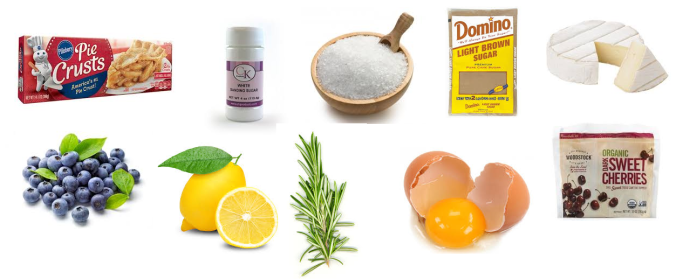
1 refrigerated pie crust

8 ounces brie

1 ½ cup fresh blueberries

1 cup frozen cherries, thawed and drained

2 teaspoons very finely minced fresh rosemary

Juice and zest of one lemon

Pinch of salt

2 tablespoons light brown sugar

1 beaten egg

2 tablespoons sanding sugar: a large grain decorating sugar that sparkles and won’t dissolve while baking

Preheat oven to 350.  Place parchment paper on a cookie sheet.

Lay the crust into the center of the parchment-lined sheet.Cut the rind off the brie and cut into strips about ¼ X 2 inches.  Leaving a 2 ½ inch border around the outside of the crust, layer the brie onto the crust.

In a bowl, combine blueberries, cherries, rosemary, lemon zest, salt, and brown sugar.  Spoon 2/3 of the mixture over the brie.

Fold the border of the crust up and around the outer edge.  Put the rest of the berry/cherries on the center of the galette.

Brush the crust with the beaten egg and sprinkle with the sanding sugar.

Bake for 20-25 minutes or until golden brown and bubbly.  Let sit 10 minutes before slicing.  Serves 6.

This is a festive, easy dessert for a July 4th picnic or cookout.  And if you want to get all French-ified and fancy, make your own pastry dough, and make six individual galettes.

And when you serve them, you speak in a French accent.  Just like Pepe le Pew.

Thanks for your time.