
Chef James never met a fish he didn’t like.
I’ve been writing food columns for newspapers for almost five years now. I have hung out with bakers in the middle of the night and listened to a cow’s innards with a stethoscope. I’ve been taught how to filet a fish by a master (Thanks, Chef James).
I’ve interviewed David Cutcliffe, head coach of the winning Duke Football team. I’ve gotten to know Vimala Rajendran, an Indian earth mother food activist, and Amy Tornquist, an expert in and lover of Southern food

Chef Amy at her Durham restaurant Watts Grocery.
And I am as excited about sharing this week’s info with you as anything I’ve experienced in my tenure as a food columnist.
A couple weeks ago in Kroger, I picked up a one-pound beef brisket for the low, low, price of $5.
The rule of thumb for tenderness is; the less work that a muscle does, the more tender it is.

The brisket comes from the lower chest area. Every time Elsie takes a step, or a breath, those muscles are put to work. Consequently, you can’t quickly cook this meat like a piece of filet mignon. You’ll end up with beef-flavored bubble gum—and nobody wants that.
It also has a good amount of fat and connective tissue running through it, as well as a pretty healthy fat cap. Pastrami and corned beef both come from this cut, and neither is known for exceptional leanness.
Every other time I’ve made brisket, I’ve braised it; lowly, slowly cooking in liquid—usually some type of sauce or gravy. I’ve also cooked it with beans and in pots of barley.
But it was never that tender, unctuous cut that I’ve seen on TV and in good barbecue joints. It didn’t come out really tough, but it wasn’t meltingly tender. And it was usually a little dry.

This time, I would travel a different route. I’d season it heavily and sear it like always. Then cook it by dry-roasting. Low and slow.
With the oven set at 225, I took a heavy baking dish, and in it I laid a rope I’d fashioned from tin foil. I poured in about a half inch of water (this prevents smoking when the fat drips down), and set the brisket, fat side up, in the dish on the foil, to keep it above the liquid while cooking.
Then I inserted a probe thermometer, set to the magic temperature.
At 210 degrees, the connective tissue within the meat has melted, leaving a silky mouth feel, and a tender, juicy piece of meat.
When the brisket came out of the oven, it had shrunk to about half its pre-cooked size. But the fat cap was a thing of beauty. It was a crispy, ebony cloak, which when tapped with a knife, sounded hollow and delicious—and it was.

I can’t tell you how long this will take to cook other than to say a long time. Depending on the size, it could take anywhere from five to nine hours. Do it on your day off, when you’ve got nothing but time on your hands.
This week, I am also eschewing a sauce. You could make mushroom gravy, sprinkle it with a spicy vinegar, or slather it with barbecue sauce. But this cut, cooked dry, low and slow, doesn’t need one.
I may not be your cup of tea (shoot, sometimes I annoy myself), but please, for the love of all that is holy, pick up a brisket and cook this roasted ambrosia. I pinky swear promise; you will not regret it.

Thanks for your time.


 This recipe is made with frozen puff pastry, found in most supermarkets, and made by layering dough with butter, rolling, and refolding, countless times. This gives it up to a thousand layers. The water in the butter evaporates while baking. This produces steam which gives the puff.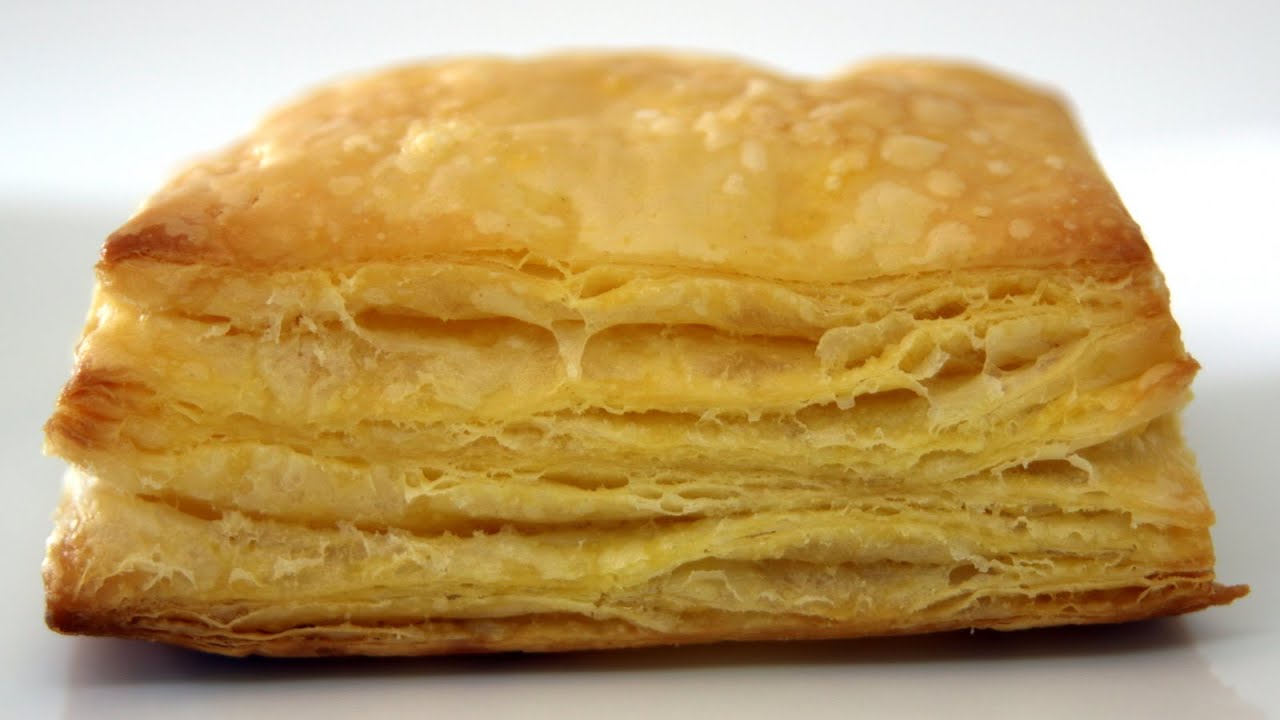
 2 sheets puff pastry, thawed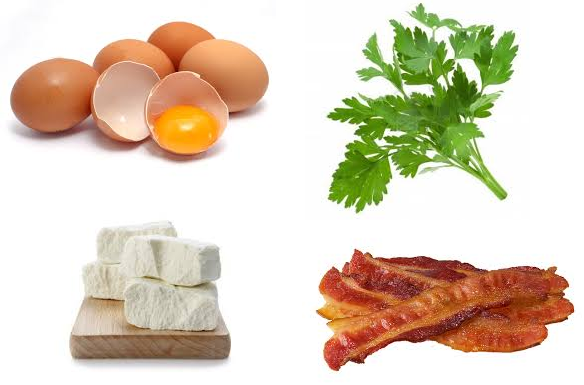


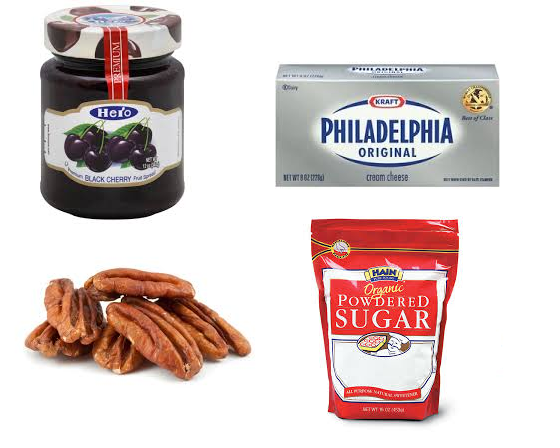
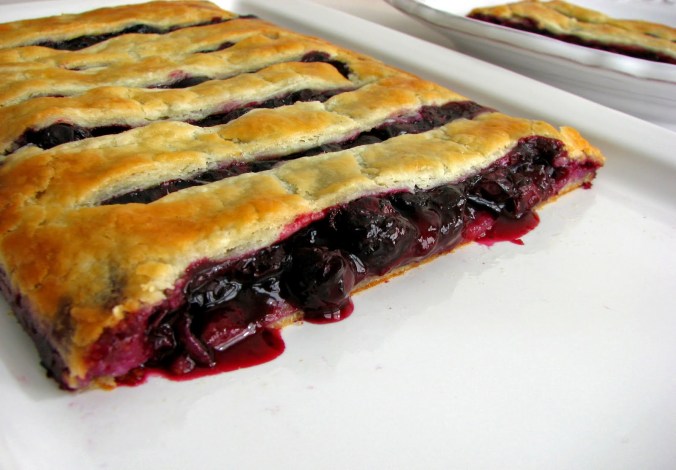


 A cute little place, not far from us has been found, and our little occupant is in the process of moving in. And while The Kid will come home for family dinners from time to time, this week is really the last week in which we will sit down for regular suppers.
 It’s a family favorite: strips of very juicy white meat, with the tang of buttermilk, and a seriously crispy coating. But juicy and crispy from one piece of chicken can be extremely problematic. So, what to do? And how to do it?
 I cook the chicky in my 10-inch cast iron pan. I pour in vegetable oil about 1/3 of the way up the side and heat it to 350 degrees. When placed in the pan (don’t crowd them—no more than four at a time), the oil should not be deep enough to cover them. When the bottom is golden flip and cook the other side. If you oil temperature stays near 350, by the time the tenders are golden all over, the chicken is cooked through, but still crazy juicy. Perfect.
 I serve them with ranch dressing and honey mustard for dipping. Our side is always a green salad, to make ourselves feel just a bit better for all the gorging that takes place.




 bull city mom