
This week was going to be the week I finally gave out the recipe for the world’s greatest sweet potato pie. The life-changing pie that I had at my friend Maxie’s church potluck.
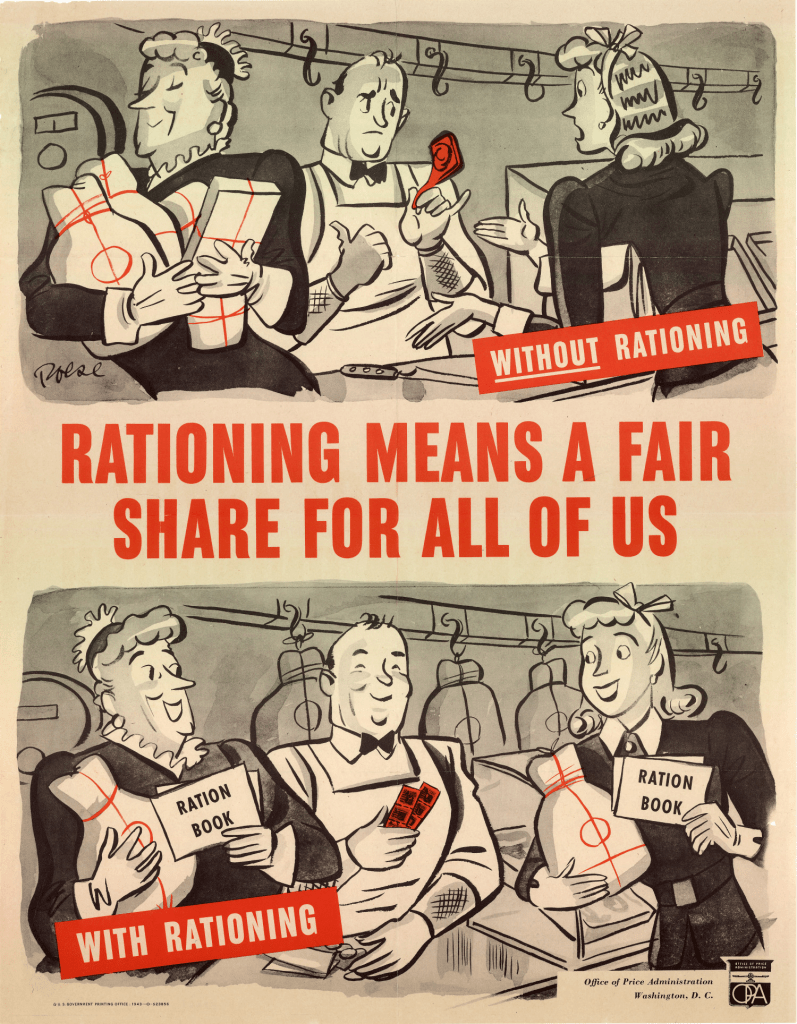
Honest, this pie made me, who’s never been a fan of sweet potato pies literally steal a piece to take home for later, then ration each bite so it took me three days to eat.
But I changed my mind (the pie’s coming next week—I promise).
Even though I may come off like I have this exciting, glittering social life, unless it’s the grocery store or library, I honestly don’t get out much. The last time I was at the movies, Greta Garbo was the next big thing.

Well, Friday night, I went with a friend, to a bar.
It was a wild, frenzied night of abandon. We each had one alcoholic beverage and shared two appetizers (I know, I need to calm down from my hard-partying, rock star ways.).

I had something delicious with blueberry and rum to drink. One plate was poutine, a French-Canadian delicacy comprised of French fries covered with cheese curds and brown gravy—it truly is food of the gods, and this place makes the best.

But the second item is the reason you won’t be getting that sweet potato pie recipe this week.
It was okra. I thought that cornmeal coated, fried okra was this poor, misunderstood, and maligned vegetable’s highest calling. But I was wrong. It’s the okra we had Friday night.

Okra is such an ancient vegetable that no one actually knows where it first grew; either Africa or Asia. But it’s no mystery that Africans brought it to America where it’s been growing for so long in the South that Thomas Jefferson wrote about it.

Growing okra is not for the faint of heart. It must be tended by hand, in the heat of the summer. There are spines on it which cause some people to swell and itch. The roots are shallow, so you must take care weeding and harvesting as not to damage it. Okra grows up to six feet so there is much stooping and reaching. And if you wait too long to gather it, it becomes too tough and woody to eat.

And the eating of it brings another stumbling block. There’s no pretending or camouflaging it, okra has an unapologetic green, earthy, vegetal flavor. And then, of course, there’s that texture. In scientific parlance, it’s called mucilage. Most of us know it as slime. That’s why the favored preparation is breading and frying. It all but eliminates the s-word.
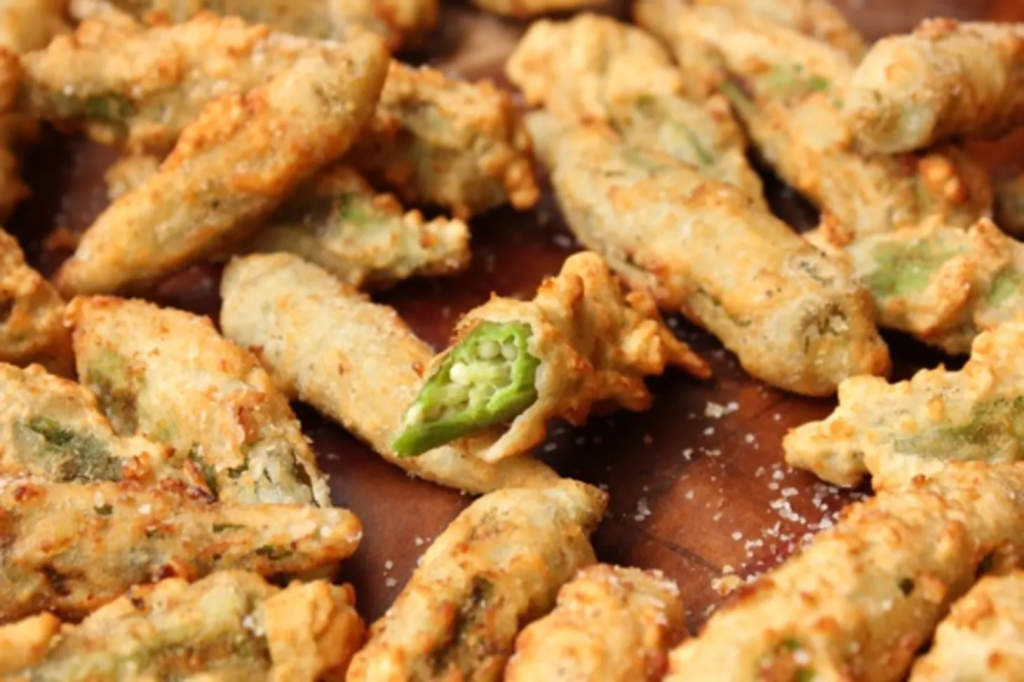
It’s almost as if okra’s daring us to love it.
But if you don’t love this okra dish, there’s no hope for you.
Cast Iron Skillet Okra

1pound okra, cleaned and cut in half, lengthwise
1 tablespoon vegetable oil
Kosher salt, to taste
Preheat oven to 180 and place a shallow oven-proof dish inside.
Put ½ tablespoon of oil into cast iron skillet and heat to medium-high. Lay half the okra, cut-side down into skillet in single layer and cook for 4 minutes. When it’s very browned, flip over and cook 2 minutes more, until tender. Then sprinkle with half the salt and toss lightly to make sure each okra’s salted. Place in dish in oven to wait and cook the second half.

Serves 2-4.
So, here’s the thing. This stuff is so good, so easy, that if you don’t try it, you’ve got only yourself to blame. But I won’t be mad, I’ll just be disappointed. Disappointed, over here in the corner, eating this wondrous okra.

Thanks for your time.
Contact debbie at d@bullcity.mom.

 It’s an egg dish which is a culinary marriage of Italy and France.
 You then place the filling on the dough, leaving a two-inch border around the edge. The edge is folded up and painted with an egg wash. If it’s a sweet galette, sugar is sprinkled over the whole confection, and it’s baked to golden perfection. A savory version is made the same way, only sprinkled with salt, pepper, and any herbs or spices desired.
 Like I said, pie is a gift from the culinary gods, but the second type of galette has to my favorite…it’s taters. If I had to give up either pie or spuds forever, it would be goodbye pie.
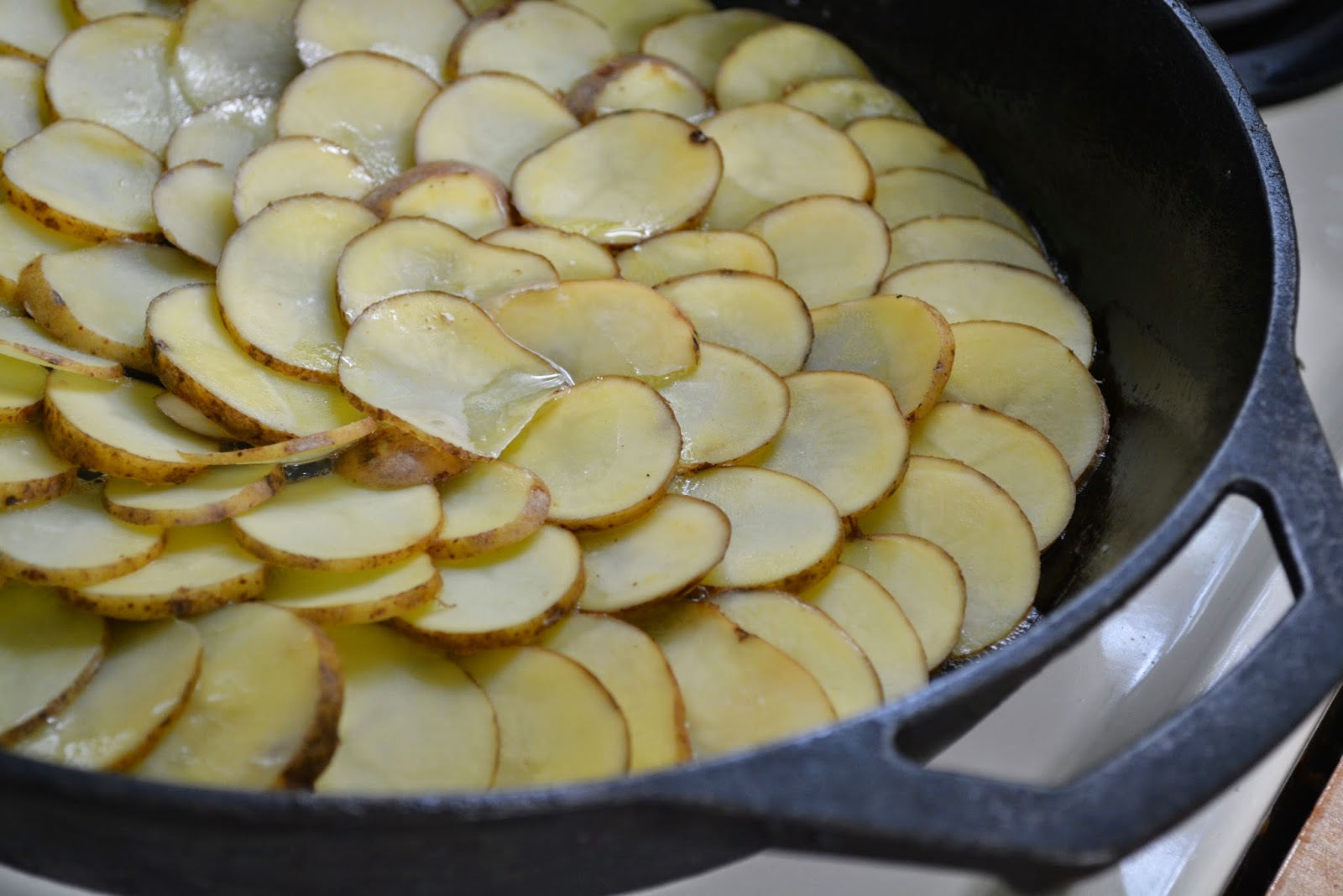 With a traditional galette, you brown the first side, then place a plate over the skillet, flip it, return it to the pan cooked side up, and brown the bottom.
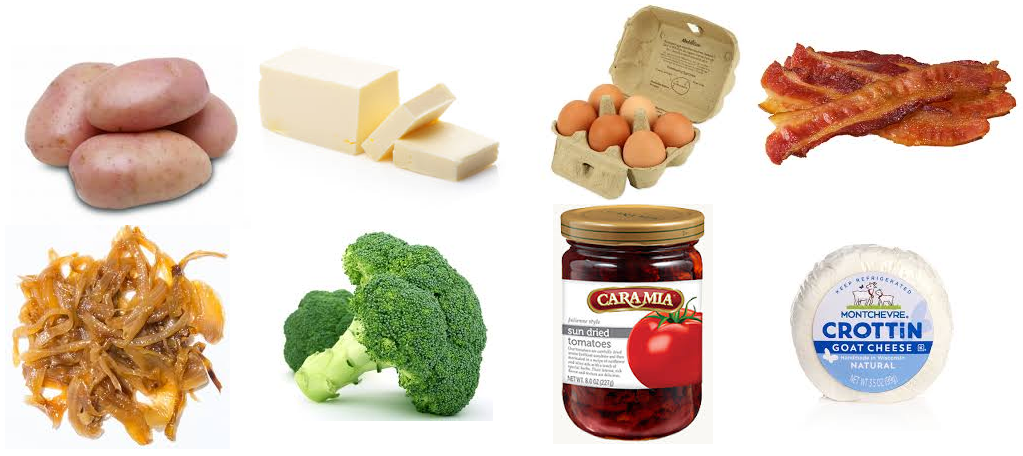 Sprinkle the top with crumbled goat cheese. Then set the pan in the oven under a low broiler until the frittata is just set, and it’s puffed and very lightly golden. Remove from oven, slide it onto a serving platter, let it sit for a minute or two, then slice and serve. It will feed six. It’s actually good cold, so leftovers make a great lunch the next day.
 Thanks for your time.


 bull city mom