 This is week three of our journey through the five mother sauces, as decreed by Auguste Escoffier.
Today we turn our attention to Espagnole sauce, a rich beefy sauce, made thick and silky with the addition of roux (50/50 mixture of fat and flour, slowly cooked to a range of colors; from the beige of mature dry wheat, to the dark reddish brown of old bricks after a hard rain). The sauces were named by the French. Espagnole is the French word for Spanish, or pertaining to Spain. It’s more from a facile preconception. The sauce is brown, the eyes of a Spaniard are brown—voila! The French have a sauce that has a base of velouté into which eggs and cream has been mixed. This sauce is blond. The French associate blonds with Germans, so around its neck was hung a sign which read, “Allemande”, or German.
 Not unlike velouté, Espagnole is more a base than a standalone sauce. But truthfully, this sauce has plenty of pizazz all by itself. And despite what you may have been told, there are no roving bands of marauding sauce enforcers knocking down doors to punish those who break any kitchen commandments.
Espagnole sauce
Ingredients:
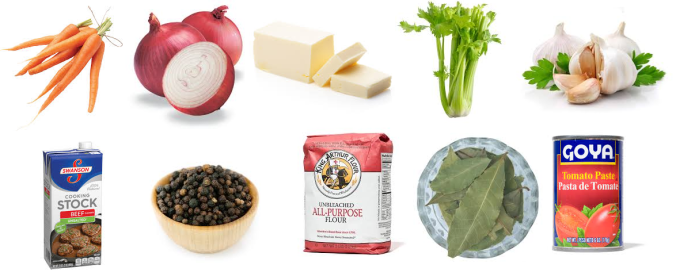
1 small carrot, coarsely chopped
1 medium onion, coarsely chopped
¼ cup butter
¼ cup A.P. flour
4 cups hot beef stock
¼ cup canned tomato purée
2 garlic cloves, coarsely chopped
1 celery rib, coarsely chopped
½ teaspoon whole black peppercorns
2-3 bay leaves
Cook carrot and onion in butter in heavy saucepan over medium, stirring occasionally, until golden, 7-8 minutes. Add flour and cook roux over medium-low heat, stirring constantly, until medium brown, 6 to 10 minutes. Add stock in a fast stream, whisking constantly, then add tomato purée, garlic, celery, peppercorns, and bay leaves and bring to a boil, stirring. Reduce heat and cook at a bare simmer, uncovered, stirring occasionally, until reduced to about 3 cups, about 45 minutes.
Pour sauce through a fine-mesh sieve into a bowl, discarding solids. When I worked at a country club as a bartender, I had my first exposure to a professional kitchen. And one trait I have found in every single person who cooks for a living, is the pathological compulsion to feed people. And the crew at the country club was no different, so I, the wait staff, and my fellow booze slingers ate well.
One of the sauces they always had on hand and used in many dishes on the menu was something they called bordelaise. There are different versions, but their sauce began life as an Espagnole.
Country club bordelaise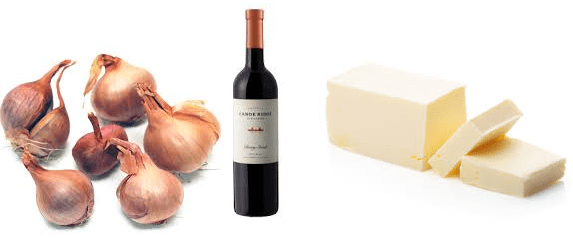
1 batch Espagnole sauce
4 large shallots, sliced
1 tablespoon butter
1 ½ cups decent quality red wine
Salt and pepper
Warm Espagnole sauce in large heavy pot to a bare simmer. Keep warm.
Melt butter in saucepan. Place in shallots and season. Cook until lightly caramelized (about 10 minutes).
When shallots are amber-colored, pour in wine and cook on medium-high, stirring frequently. Let cook until the wine has reduces and there is about ½ cup left, and it has gotten thick and syrupy.
Strain wine and discard solids. Stir syrup into Espagnole.
Next week our sauce will be classic French tomato. This fancy pants sauce was codified by one of the most revered culinary heroes in history. But the flavor will be more familiar to American school kids than to big city food snobs.
Believe it or not, Mr. Ripley. Thanks for your time.
 Last week I talked about mother sauces. Back in the 18-somethings, the man-made-culinary god Auguste Escoffier declared the existence of the five root sauces from which all sauces come.
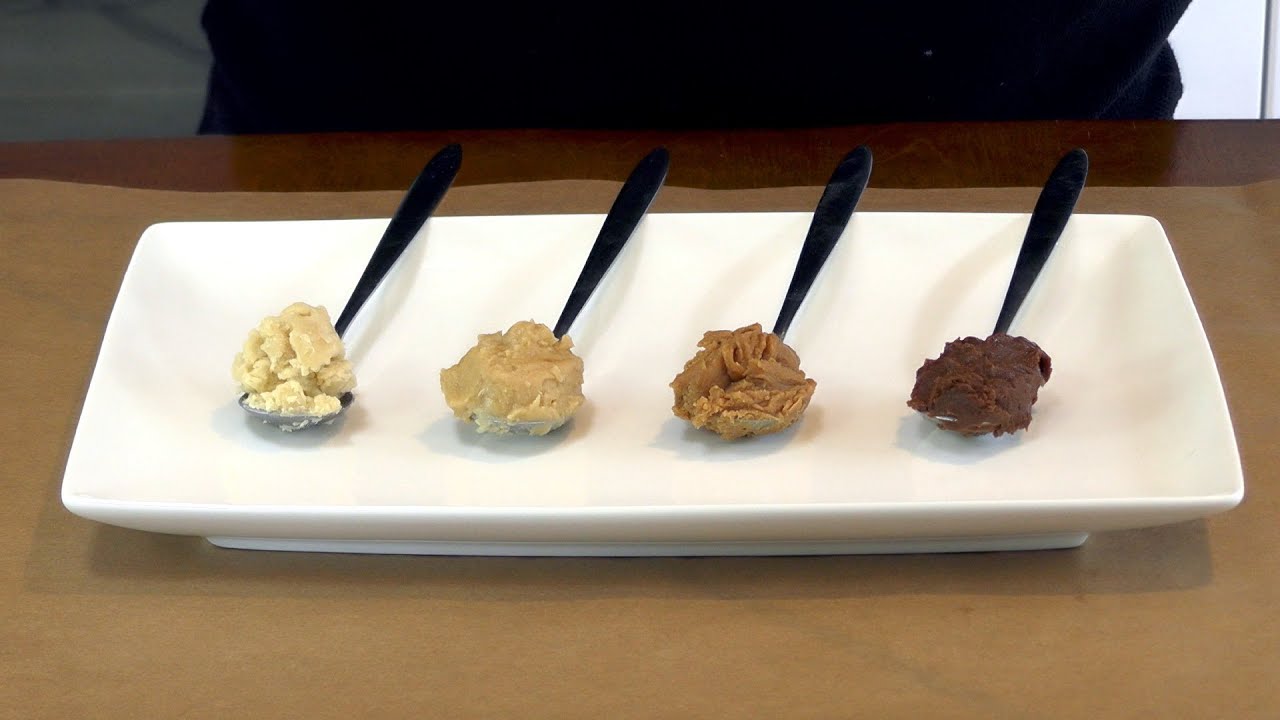 Classic velouté
 Whisking continuously, slowly pour in stock and cook until it thickens and just comes to a boil. Season, taste, and season again, if needed. Makes about two cups.
  Mix the chicken gravy with a couple handfuls of shredded rotisserie chicken. Stir in a couple cups of frozen mixed vegetables. Either pour it into a frozen pie crust and cover with another piece of store-bought pie crust, or pour it into 4-6 mugs or crocks and cover with a piece of puff pastry. Cut a few vents into top crust and brush with an egg wash. Sprinkle the tops with some kosher salt and freshly cracked pepper and bake at 375 until it is golden brown and bubbly.
 Stir your caramelized veg into the velouté. Pour in about ½ cup of heavy cream. Check for seasoning and serve. Serves 4-6. You can also put this on pasta, and meat, or pour it over a baked potato (a sweet potato is really delicious this way).
 Thanks for your time.
 Just in case, here is the recipe again.
 For some really cozy, comforting scalloped potatoes, pour ½ cup of béchamel into greased casserole dish. Thinly slice 5 cups of potatoes and layer them in the dish alternating with another cup of cream sauce. Spread out the final half cup of béchamel on top and cover with foil. Bake at 350 covered for 30 minutes, uncover, and bake for thirty more, or until browned and bubbly.
 When making the white sauce, whisk in a teaspoon or so of mustard powder. After it comes to a simmer, stir in a couple cups of your favorite melt-able cheese. My mom, who makes the best baked macaroni and cheese, always uses Velveeta for about a third of the cheese. This gives you creaminess that won’t separate while baking. I’d use at least 2 batches for each pound of pasta.
 Thanks for your time.
 bull city mom