Apostate Pasta

So a couple weeks ago a French website posted a recipe for carbonara and all of Italy lost their collective mind.

France, why do you want to piss this guy off?

The procedure called for the whole thing to be boiled altogether in one pot.  And while I’m a fan of the odd one-pot pasta, carbonara should not be trifled with in such a manner.

Boiled pancetta?  Really?

The classic recipe is extremely simple with just four ingredients: spaghetti, pancetta, eggs, and Parmesan cheese.

But simple, especially in the case of carbonara, absolutely does not mean easy.  It’s far easier to botch it and end up with a greasy congealed tangle of noodles that look more like a punishment than dinner.

As appetizing as a letter from the IRS.

What can go wrong: Over, or undercook the spaghetti.  You can burn, or conversely fail to render the pancetta and have limp, fatty pork.  And the most problematic of all are the eggs.  If the heat is too high, or you don’t stir briskly enough, you get scrambled eggs.  And if you do stir with enough vigor it’s possible to not have the now broken pasta hot enough to cook the eggs.

It is a dance that’s potentially dangerous enough to strike fear in the heart of the very finest dancing “celebrity”.

But done right?  Done right it’s a song sung by Freddy Mercury or Billie Holiday.  It’s a landscape by Ansel Adams, a shoe by Louboutin, a dress by Coco Chanel all rolled up into one creamy, unctuous, heart-breakingly delicious bowl of pasta.

See how that sauce clings like a bad boyfriend?  That’s what I’m talking about.

My advice from the trenches is to have every bit of your prep done before you turn on burner one.  If you’re not ready every step of the way, the whole thing will get away from you, and that way lies madness and scrambled disappointment.  Take your time—be the master of your culinary domain, and don’t let the food dictate your actions and state of mind.  You have to commit; you’re cooking something that’s a little advanced; don’t be tentative.

Attitude is half the battle.

My recipe has a healthy serving of attitude.  I had some beautiful fresh angel hair pasta and decided that it really needed to be used for carbonara.  But I had bacon, and not pancetta.  I was also very low on Parmesan, but had a nice big piece of aged Manchego, which is very hard and dry like Parm.

So I made an executive decision.  But purists might take issue with it.

Blasphemous Carbonara

carbonara

9 ounces long pasta

4 or 5 slices bacon, cut into 1/4-inch strips

3 extra large eggs or 3 large + 1 large yolk

1/4 cup Manchego cheese, grated fine, plus more for garnishing

Salt and pepper to taste

1 cup pasta water, reserved

Place eggs and cheese into bowl, season, and whisk until well-mixed.

In a large pot, cook pasta until al dente in heavily salted water.

In a separate large pan, render bacon.  Remove and set aside.  Pour off bacon fat until 2 tablespoons are left.  Turn pan down to low.

Remove cooked pasta from pot with tongs, reserving water. Place directly into pot with bacon fat.  Toss until well-coated.

Take pot off heat and slowly pour in egg mixture while constantly, vigorously, stirring pasta.  When it’s all added, continue stirring until egg mixture is heated and emulsified.  Briefly place pot back over a low burner if more heat is needed to thicken (sauce should be the consistency of heavy cream).  If it just looks like raw beaten eggs, it needs more gentle heat.  If it seems a little tight, add in abit of pasta water.

Place into two bowls and garnish with the bacon and more cheese.

Serves 2.

If the idea of this pasta dish appeals to you, I really hope you try making it.

And it’s entirely possible that you’ll screw it up the first time.  It’s probably wise to have a dinner backup plan that night, just in case.

But I’m telling you, getting this right has a huge payoff.

Not only do you get to enjoy what is arguably one of Italy’s finest gifts to mankind (even taking into account Ancient Rome and the Renaissance), you’ll have the thrill of being the kitchen swashbuckler who had the chops to put this ambrosia on the table.  You are fierce.


Fierce, I tells ya.

Thanks for your time.

Blue and green

I love it, Petey likes it, but in moderation, and The Kid can’t stand it.

I’m talking blue cheese.

So when I googled “Blue cheese, I discovered something…


I discovered that this too, is called blue cheese.

When I was little, on the rare occasion when I was forced to eat a green salad, I passed up the thousand island, and asked for blue cheese, ‘cause that’s what my dad ate (Ranch wasn’t an option, as it was only discovered in 1979 when a guy in Idaho trying to dig his way to China struck a rich vein of ranch dressing in his backyard.).  I enjoy the funky saltiness of blue, and still love the dressing on canned pears—I know; weird, but try it before you judge too harshly.

Ten or twelve years ago, on a family vacation to the mountains, Petey discovered the joyous combo of blue cheese and beef.  But he shies away from too much or too strong; so that means no gorgonzola or Roquefort for my ever-loving spouse.

The Kid?  Forget it.  Although normally an extremely adventurous diner, blue cheese, along with coconut and beets, are on the iron-clad official “Thou shalt not pass (my lips)” list.

k hate

Nope.Nope.Nope.

Recently Petey and I discovered a new blue that we really like.  It’s Carolina Bleu, from the Ashe County Dairy.  It’s quite mild and much softer than a normal version.

I had picked up some hamburger on the $2.99 sale that Fresh Market has on ground chuck every Tuesday, and when I discovered that the Durham Co-op carries Carolina Bleu, I decided to make hamburgers.

Carolina Bleu-stuffed burgers

blue burger

1 pound ground beef

2 ¼-inch slices Carolina Bleu cheese

Divide meat into fourths.  Make four flat burgers about 4 inches across.  Place cheese on two of the burgers.  Cover with the other burgers and seal the two together making sure they are completely sealed.

Cook on a crazy hot cast iron skillet for 2-3 minutes per side.  Don’t overcook or the cheese will ooze out and leave you with nothing in the center but disappointment. 

Dress and enjoy.  Serves 2.

On the same trip to the co-op, I picked up the cutest little baby zucchinis.  It was a complete impulse buy; I had no clue what I would do with them…until I started thinking side dishes for the stuffed burgers.

Zucchini fries

zucchini fries

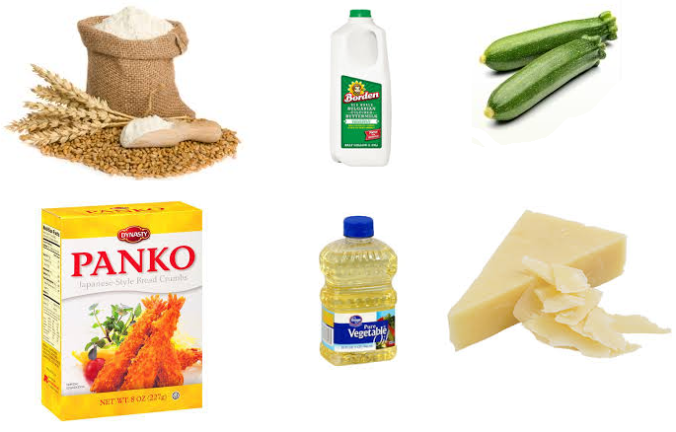
8 baby zucchini, washed and quartered, length-wise

Flour for dredging, very heavily seasoned with salt and pepper

2 cups buttermilk

2 cups panko breadcrumbs

½ cup finely grated Parmesan cheese

Fine sea salt

Oil, for frying

Place seasoned flour into a large zip-top bag.  Pour buttermilk into a shallow dish.  In another shallow dish, mix together breadcrumbs and Parm.

Coat squash in flour, shaking off excess.  Dredge in buttermilk, then breadcrumbs, making sure veg is totally coated.  Place on parchment-lined tray and refrigerate for at least one hour, and up to six,

When ready to cook, heat 1 ½ inches of oil in heavy-bottomed pot until it reaches 325 degrees.

Working a few at a time, fry sticks until they are golden brown.  Salt directly after removing from oil, then place on a cooling rack in a 170-degree oven to keep warm until they are all cooked.

Serve immediately with dipping sauce of your choice (I like ranch or mouth-puckeringly sour lemon aioli).

I’ve two things in closing.

I recently discovered this cheese is also carried at Earth Fare, in Raleigh’s Brier Creek.

And because this cheese is so soft and sliceable, I think it would work really well for a grilled cheese on hearty whole grain bread.     

Thanks for your time.

Kitchen prestidigitation

I’m not sure what will happen.

The Kid no longer eats orzo.  “It’s a texture thing,” my child insists.

I, on the other hand, love the rice-shaped pasta.  It works really well with a light dressing, and smaller pieces of veggies and proteins.  For some reason I equate it to the spring, with lemon, asparagus, and ramps.

By disliking orzo, The Kid has ended up on the horns of a dilemma.  I recently discovered an orzo recipe that will send my spawn into vapors of indecision.

For while the recipe is a one-pot, no strain pasta, which is pretty darn cool, that pasta is orzo, which usually given no love.

The other dilemma that may change everything is the author of the recipe.  It is Melissa D’Arabian, winner of Food Network’s Next Network star.

The year that Melissa competed, we watched every episode, and Melissa caught our eye.   She wasn’t loud or a drama queen, in fact she seemed to have no time for crazy.

What riveted us to the screen was her quiet confidence.

In that she reminded us of JJ Redick.  When he goes up for a shot, in his mind, of course he’ll make it; he’s never missed.  It’s not delusion or ego-driven arrogance, it’s more like a child’s belief in the good in himself—in his mind he’s never missed a basket, so he launches the ball with nothing but complete, untainted optimism.  The “Yips” are incomprehensible to him.  It would be like trying to explain the concept of electrical engineering to a gerbil.

My round ball crush, JJ Redick.

Melissa was like that.  She had knowledge, experience and a stack of awesome, no-fail recipes tall enough to reach the top shelf.  Above all she possessed a quiet form of supreme confidence.  Doubt didn’t seem to be in her vocabulary.

But back to the orzo.  This recipe is like a ski lodge in the summer—it’s very accommodating.  You can add anything to this dish; protein, different types of veg, various nuts.

Petey and I love this, but The Kid has not yet had an opportunity to try it.

Melissa’s Lemon Thyme Orzo (by way of Debbie)

lemon thyme orzoIngredients

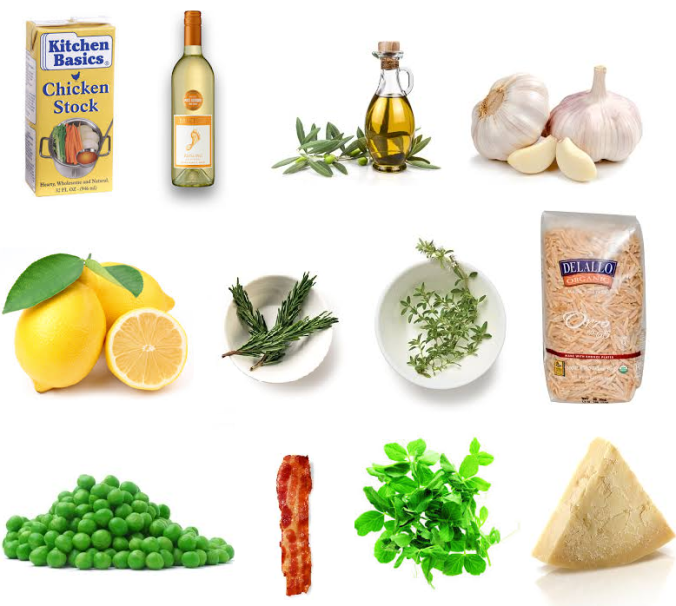
2 ½ cups chicken or vegetable stock

½ cup white wine

1 tablespoon olive oil

2-3 garlic cloves, minced

1 cup orzo

½ lemon, zested + 2 tablespoons juice

2 tablespoons fresh chopped thyme leaves

2 teaspoons fresh minced rosemary

1 cup frozen peas

1/3 cup shredded Parmesan

Salt and freshly cracked black pepper

¼-½ cup crumbled crispy bacon (optional)

Pea shoots

Heat large skillet on medium and add olive oil.  Stir in garlic and rosemary.  When fragrant, add orzo and stir constantly until it’s lightly toasted.  Deglaze with wine.  Add stock, and simmer on medium until most of the liquid has been absorbed, stirring occasionally, about 15-20 minutes. Remove from heat, and stir in lemon zest, juice, thyme, peas, and cheese. Season with salt and pepper to taste, top with crispy bacon, a handful of pea shoots, and transfer to a serving bowl.  Serves 4.

Variations (Stir these in at the end of cooking, off the heat):

Instead of peas, use asparagus.  Or roasted broccoli and thinly sliced sun-dried tomatoes.

Drop the peas and add snipped Chinese chives and halved grape tomatoes you’ve blistered in a very hot skillet with 1 teaspoon olive oil.

Nix the pea shoots, and stir in 2 cups raw baby spinach.

Mix in salad shrimp or shredded rotisserie chicken.

Stir soft cheese (like brie or mascarpone) into pasta.

I watch what some people might consider way too much food television (but it’s purely for research purposes).  There are cooks that I love, some that are ok, but not my favorites, and a few that when they appear, I rush to change the channel.  Some hosts are very reliable sources for recipes, with many of their dishes recreated in my kitchen; most were big hits; a few, embarrassing flops.

But a Melissa D’Arabian recipe has never resulted in anything but success, yummy food, and kudos from family.  So much so, that at our house we refer to her as “Magic Melissa”.

Yup, that’s me in the kitchen…

I guess we’ll just have to see if she can cast a spell and make The Kid enjoy orzo.

Thanks for your time.

Melissa’s Pie

My paternal grandmother, Geraldine, made awesome pie crust.  The grandchildren would dance around for the little cookies she made with dough scraps, jockeying for position to score the first one out of the oven, gladly accepting the trade-off of burned little hands and tongues.

My mom makes great pies.  Lemon meringue, apple, and her world-famous pecan are only a few.  But her crusts come from the supermarket’s refrigerated section.

I always assumed that I didn’t have the patience to make crust from scratch, so on the infrequent occasions that I needed pastry, I used pre-made.

Evidently, they’ve been doing this for a long time…

But as I learned to cook, pie became my secret shame.  There’s nothing wrong with using pre-made, but not knowing how to make pastry was a hit to my ego, and a milestone I should have already passed.

Then I saw Melissa D’Arabian, a TV chef I admire greatly, make pastry dough on Food Network.  It looked do-able.  A French master baker/chef said that her crust was just as good as he could do.  So I tried and it worked like a charm.

I’ve made it probably 100 times since then and never had any problems.  It works great for single and double crust pies, and the hand pies that come from her dough are so pretty and tasty, I feel like I should pay someone for such glorious eats.

Melissa-inspired pie crust

pie crust

1 cup butter (2 sticks), cubed and chilled

2 ½ cups + ½ tablespoon cake flour

1 teaspoon salt

3 tablespoons very cold vodka (Vodka is tasteless in the cooked crust.  But feel free to add another kind to lend flavor to the finished product; bourbon for pecan or apple for example, or amaretto for peach pie.)

5-8 tablespoons ice water

Put the butter, flour, and salt in the food processor, and pulse lightly just until the mixture resembles wet sand. Add vodka then water, 1 tablespoon at a time, pulsing briefly after each spoonful. Keep adding liquid until the dough just begins to gather into larger clumps.  Pour dough onto flat surface and lightly knead just until it comes together.

Divide dough in half and transfer into re-sealable plastic bags and pat into disks. Let rest in refrigerator for 30 minutes. Or freeze for later. 

Before baking, chill formed dough for 30-60 minutes.  Bake at 425 degrees until golden, timing depends on size and shape of product.

cropped-pc090039.jpg

Chicken pies that I made with homemade magic crust.

I add vodka to lower the chances gluten developing.  Gluten is the protein that makes bread dough stretchy.  It also makes for a disappointingly chewy pie crust.  The secret of a light flaky crust is to stop kneading the second you can press a portion of dough in your fist and it keeps its shape.

And you want the crust to be cold when it hits the hot oven.  This accomplishes two things.  The butter will melt all at once, and the steam that is produced will create little air pockets, which contributes to a flaky mouth-feel.  And there will be very little shrinkage, so the pie crust won’t retreat down the sides of the pie pan.

The kids rode around the neighborhood on my old pastry dough.

I have, in the distant past, produced pastry dough that was so overworked and tough the only thing it was good for was the sole of a tennis shoe or a pencil eraser.  So I can’t emphasize strongly enough how shocked and delighted I was the first time I made tender, flaky pie dough.

And I owe it all to my cooking crush Melissa.  I figured if it was her procedure, there’s no way I could fail.

Melissa D’Arabian, America’s kitchen sweetheart.

Thanks for your time.

Curds and why didn’t I know about this?

I didn’t even know this was a thing.

I was shopping online for The Kid’s birthday present, and I got distracted looking for this awesome pear/vanilla jam I bought from Whole Foods.  It was an intensely flavored spread that made me feel like my morning toast was actually a piece of birthday cake in disguise.

Unfortunately, they no longer carry it, and I never took note of the brand, which means I can’t look for it by name.  So, every once in a while I’ll fall down the Google rabbit hole for a few hours searching for something which may not even exist anymore.

During the hunt, I discovered that Dickinson’s, a Smucker’s-owned company that makes lemon and lime curds, also makes vanilla curd.

Vanilla Curd?!?  Stop and let that sink in a moment.  Vanilla.Curd.

And thus I discovered vanilla curd was a thing.  I decided to purchase some.

But here there be roadblocks.  #1-It’s not sold in any stores within a 50-mile radius.  #2-I can order it, but only by the case.  #3-The cases start at $30.00.  #4-Shipping for something I don’t even know if I’ll enjoy is an average of $12.87.

Look, I just bought a pair of sandals that I had to return because they gave me blisters, I can’t have two massive shopping fails in one week, my pride just won’t stand for it.  I took the shoes back to Marshalls, but I can’t return internet curd just because I don’t like it.

This thing might just work…

But then my search-engine-softened brain had a thought: Gee whiz, I can cook.  Maybe there’s some type of home machine that fits onto my lap and can connect to the whole wide world to find a recipe?

By gum, there is, and I found one (and then tweaked it some).

Debbie’s vanilla curd

curd ingredients

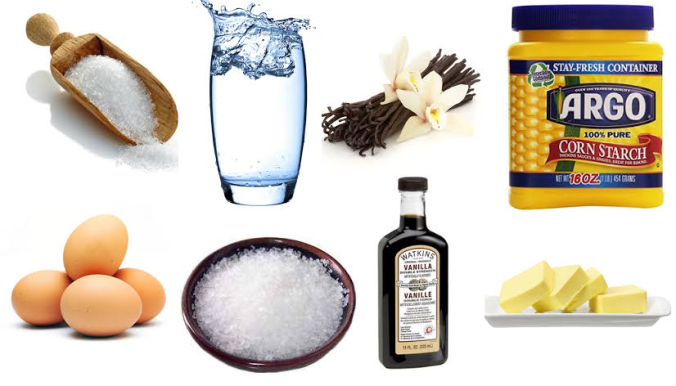
1 cup sugar

3 tablespoons cornstarch

2 vanilla beans, halved, split and scraped

1 cup water

Large pinch of salt

2 egg yolks, beaten

4 tablespoons cold butter, cut into pieces

2 teaspoons vanilla extract

In a medium pan, combine sugar, cornstarch, salt, and vanilla beans and caviar. Add water and cook over medium heat for 5 to 7 minutes, or until thickened.

In a small bowl, lightly beat egg yolks. Whisking constantly, very slowly pour about a cup of the hot sugar mixture into egg yolks; add egg yolk mixture back to hot sugar mixture, whisking to combine. Cook over medium heat for 4 minutes, or until thickened.

Remove from heat.  Discard vanilla beans; whisk butter into hot curd. Stir in vanilla extract. Let cool; spoon curd into airtight container and store in refrigerator for up to 2 weeks.

vanilla curd

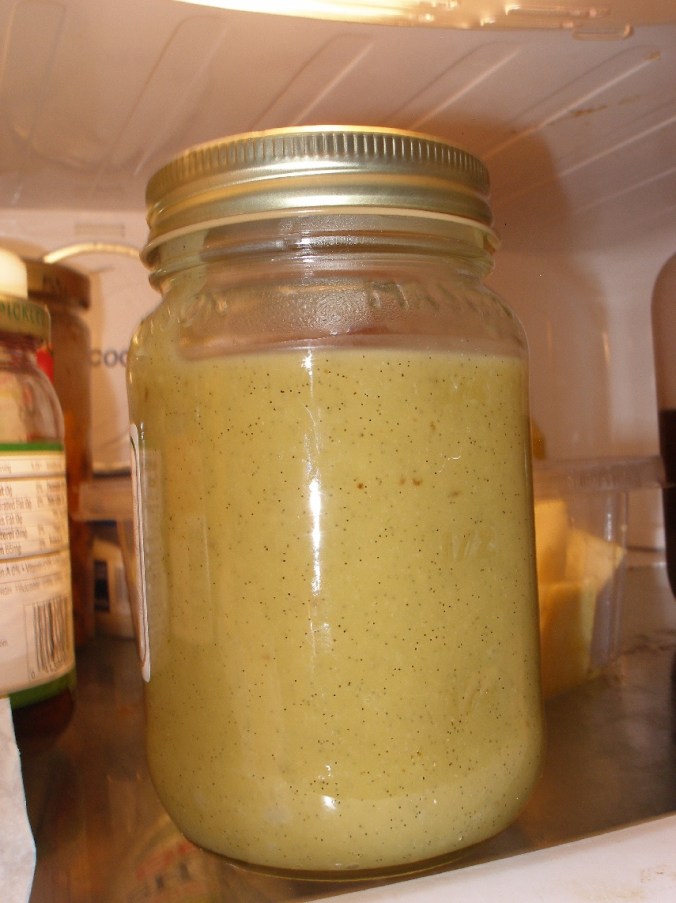
The finished curd, becoming acquainted in my fridge.

This stuff tastes like vanilla did when you were a kid, and your taste buds were new.  Think drinking milkshakes in the back seat or Hunt’s Snack Pack with the metal pull-off lid that all the grown-ups said would cut your tongue when you licked it (but it never did).  It tastes like what vanilla smells like.  It tastes like warm happiness.

The texture is like lemon curd or creamed honey.  It’s slow moving and very spreadable.

What to put it on?

Well, my spoon worked awesomely.  But seriously, I’d put in on cakes, or cookies.  You could drizzle it on ice cream or fruit, or stir it into some hot milk, with a dusting of nutmeg.

As for me, I had a schmear on my English muffin.

And totally felt like I was back in the lunchroom at Central Elementary.

Thanks for your time.

Open your pie hole

Bless her heart.

bless

Every good Southern girl knows what this means…

I grew up eating my mom’s version.  She uses canned beans, canned tomato soup, and instant mashed potatoes.  She calls it shepherd’s pie.  But lamb is the base of shepherd’s pie.  And lamb ain’t something that’s ever gonna happen at her house.  She hates it.  The closest thing to lambs at my folks’ place would be a wool sweater.

She makes hers with ground chuck, and when you make it with beef, it’s called cottage pie.

I’ve been in many different kitchens; both professional settings and private homes.

dream kitchen.png

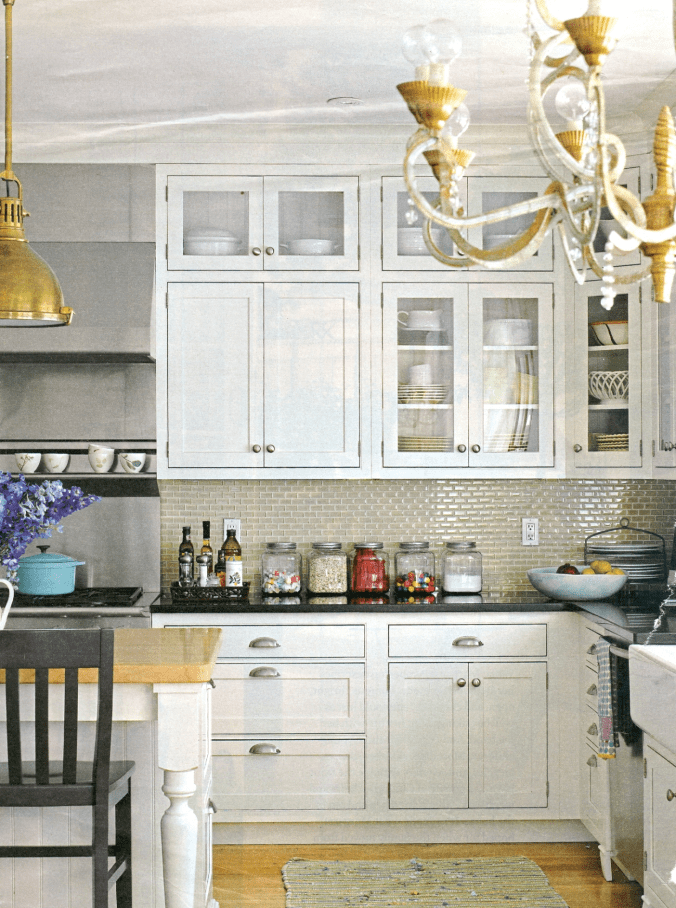
Here’s the kitchen in my mind.

I’ve picked the brains of every cook I could get to stand still long enough to answer any one of a thousand questions.  I now have many of these generous culinary coaches on speed dial and email 911.  Because of their generous, patient, support, I have been able to develop my own personal cooking philosophy.

Here ‘tis:

“Treat every ingredient with respect and elevate it as much as is possible, be it a humble egg, or the most expensive cut of meat.”

So when I decided to make cottage pie, I wanted to use from-scratch ingredients.  I would also work to get the best flavor and most desirable texture to which each ingredient was able to rise.

Honeymoon Cottage Pie

cottage pie

1 lb. 80/20 ground beef

1 large yellow onion, chopped

3 cloves garlic, diced

1 lb. mushrooms, cleaned and sliced

½ cup all-purpose flour

3 tablespoons butter (if needed)

1/3 cup dark beer

2 tablespoons tomato paste

2 cups low-sodium beef stock

1½ teaspoon dried thyme

2 teaspoons fresh rosemary, chopped finely

2 bay leaves

2 cups frozen peas

2 cups carrots, peeled and chopped into ½-inch cubes

Mashed potatoes:

10 medium sized potatoes, peeled and cut into chunks

4 tablespoons butter

1/3-3/4 cup fat-free buttermilk

1 cup shredded cheddar cheese

Salt & pepper

Place potatoes into large pot with plenty of salted water.  Cook over medium heat until spuds are tender.  Drain.  Place back into pot and drop in butter.  Sprinkle with salt and pepper, and using a hand masher, mash until smooth/chunky.  Stir in buttermilk until just a little loose.  Taste for seasoning, cover and set aside.

Preheat oven to 350.

Heat a large heavy skillet to medium-high.  Brown seasoned hamburger.  When cooked, set aside, and leave fat in skillet (add butter if there’s not at least 3 tablespoons).  Put in onions, mushrooms, thyme, rosemary, and bay leaves.  Season veg.  Cook until onion turns golden.  Stir in tomato paste.  When paste darkens and starts to stick to the bottom, deglaze with beer.  When the liquid’s cooked out, mix in flour and cook for 1 minute.  Pour in beef broth and stir until smooth.  Bring to a simmer and take off heat (it should be nice and thick).  Add back meat and peas and carrots.  Check for seasoning.

Pour into a greased casserole dish, or 6 individual ramekins.  If you use individual dishes, you can freeze some for another night. 

Top with mashed potatoes.  Smooth over the top, leaving no gaps.  Cover with foil, and bake for 30 minutes.

After 30 minutes, remove foil and top with cheese.  Return to oven and cook under low broiler until browned and bubbly.  Serves 6.

This is even better with crusty bread and a crisp, green salad.  If you’re a beer drinker, serve it with a glass of the same type you cooked with.  You literally can’t get a better pairing.

Both Petey and I grew up in the 1960’s-70’s.  In this era most of the moms had been raised during the Great Depression and/or World War II.  They were sick of economizing, making do, and Victory gardens

This ennui resulted in a heady enthusiasm for cooking with cans of this, and jars of that.  The only fresh produce many kids from our generation ever saw was potatoes, tomatoes, and iceberg lettuce.

Is it any wonder we have such a messed up relationship with food?  This stuff was considered good eats back in the 70’s.  And what’s up with the knife-wielding woman under the table?

So while many of those dinners we ate hold nostalgic appeal, processed foods do not.  Rehabbing this food using better techniques and fresher ingredients gives us the best of both worlds.

And since we baby boomers are looking at 50 in the rearview mirror, healthier is much smarter.  I don’t know about you, but I’d like to be around to embarrass my great-grandkids.

Embarrassing yes, but even I have my limits.

Thanks for your time.

The late-ish Debbie Matthews

I always used to be on time.  Always.

Then I met Petey.  That boy will be late to his own funeral.

So the fact that I’m talking about corned beef and cabbage, 3 ½ weeks after Saint Patrick’s Day is apt.

But you know what?

Any time is the right time for corned beef, because it is heavenly, meaty ambrosia.  Whether eaten hot, with a plate full of butter-drenched veg, or heaped between some rye, corned beef is mouthwateringly delicious.

Recently I made it for the first time.

This wasn’t by choice.  If I’d had my way, I’d make it all the time.  But Petey absolutely loathes it.  And, until recently, so did The Kid.

My child and I share a love of Reubens.  But traditional corned beef and cabbage was only enjoyed by me, and I couldn’t justify cooking an entire brisket for one.  Joyously, The Kid has lately had a change of heart.

But Buddy-Roe, we can put away Reubens like Reuben-eating rock stars..

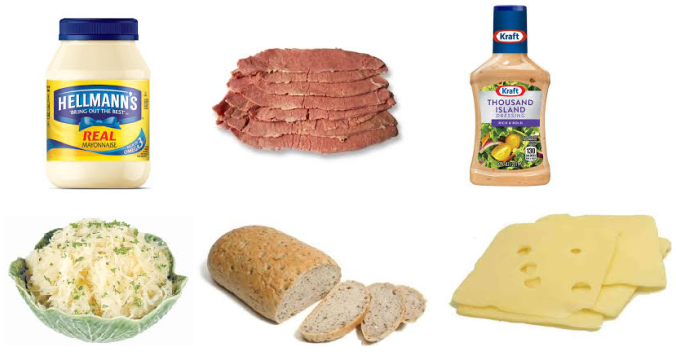
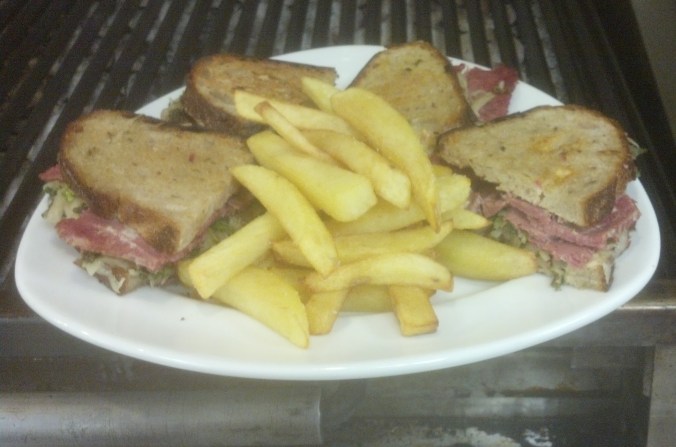
Profoundly non-kosher Reubens

reuben

4 slices seeded rye

½ pound thinly sliced corned beef

½ cup sauerkraut

4 slices Swiss cheese

Mayonnaise

Thousand Island dressing

Lay out bread.  Spread mayo to taste on 2 slices, and Thousand Island on the other two.  Lay one piece of cheese on each slice of bread.  Top half the rye with corned beef and sauerkraut. 

2012-12-10_18-34-24_659

Spread very thin layer of mayo on the outside of sandwiches.  Cook in skillet on medium-low until hot and melty.

But to make this delicious dish, you need some corned beef.  Most of the time I pick it up from a deli.  But now I can make corned beef with veggies, and put together a Reuben with homemade leftovers.

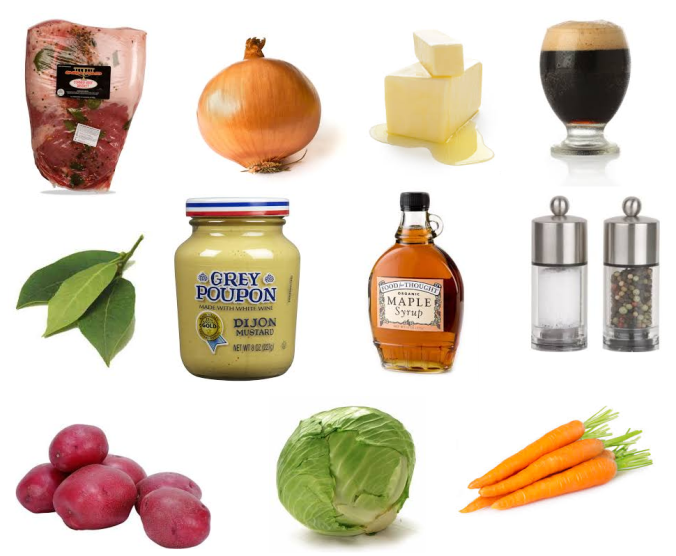
Corned beef and cabbage

corned beef

2 pound corned beef brisket with spice packet (or 2 tablespoons pickling spice)

1 large yellow onion

2 tablespoons butter

4 bay leaves

3 cups dark beer, divided

2 heaping tablespoons Dijon mustard

2 tablespoons maple syrup

Salt and pepper

Water

8-10 medium red skinned potatoes, washed and cut into 4 pieces

1 head of cabbage, cored and cut into 8 pieces

1 pound carrots, peeled and cut into large pieces, or left whole if they’re small

6 tablespoons butter melted mixed with 2 tablespoons each chopped fresh parsley and chives

Preheat oven to 250.  Place Dutch oven on stove-top and set to medium.  Melt butter in pot.  Slice onions into half-moons.  Add to pot with bay leaves, spice, salt and pepper.  Cook on medium-low until onions are golden.  Turn heat up to medium-high and stir in mustard.

Pour in ½ cup beer.  Scrape up any bits clinging to pot bottom.  Add maple syrup and cook until almost dry.  Add rest of the beer.  Place in brisket, fat side up.  Add enough water to barely cover meat.  Insert probe thermometer set to 210.  Cover and place in oven.

When brisket gets to 195 degrees, put potatoes into separate pot with salted water to cover.  Add enough corned beef cooking liquid to cover by 1-2 inches.  Cook on medium.  After 10 minutes add carrots and cabbage.  Cook until all veggies are tender.  Drain and pour parsley-chive butter over.

When corned beef hits 210, remove from oven and let rest for 5-10 minutes.  Carve thinly against the grain.

Serves 6.

Normally I’d recommend serving this with salad.  But when it comes to this meal, I have no shame.  I can eat my weight in corned beef.  When this is on the menu, I don’t want to clutter up my belly with anything else.

Thanks for your time.

Get your mojo running

For the last few weeks, this space has been heavily Durham-centric.

Well, not this week.

Today our sojourn will be in the sunny climes of the Caribbean, by way of Brier Creek.

In Cuba and Puerto Rico there is a sauce called mojo (pronounced mow-hoe).  It’s a very strongly flavored marinade.  Along with herbs like oregano and culantro (culantro, not cilantro; it’s an entirely different plant), it’s full of garlic, olive oil, and bitter orange juice.

While different places have different varieties, the most common is mojo criollo.  Criollo means Creole, which is a mixture of cultures.  The cultures in this instance are Spanish, African, and indigenous Caribbean.  Traditionally it’s used in amazing pork dishes.

This will look very familiar to barbecue-crazy folks from NC…in Cuba and Puerto Rico it’s called lechon.  And once you’ve had it, you will dream about this crispy, crispy skin.

A few weeks ago I went shopping to help fill fridge and pantry in The Kid’s new apartment.  After Target, but before we hit Lowes Foods, we stopped at the dollar store.  It’s terrific for nonperishables.  I almost always buy egg noodles and canned beans there.  I’ve also gotten amazing cosmetics there too.  The $1.00 eye liner works better than one from Sephora costing $14.00.

As we were walking down one aisle, I spied a bottle of mojo criollo.  It was a smaller size, but even so, $1.00 is a real bargain.  The Kid picked up a bottle and so did I.

That was the first bottle I bought there.  I used it to marinate pork tenderloin and flavor a pot of black rice for dinner one night.  It was delicious.

Then I went back for a second bottle.

This time, I decided to color outside the lines.  I would do something with it that I’d never heard of.  I was going to make mojo pasta salad.

Mojo chicken pasta salad

mojo pasta

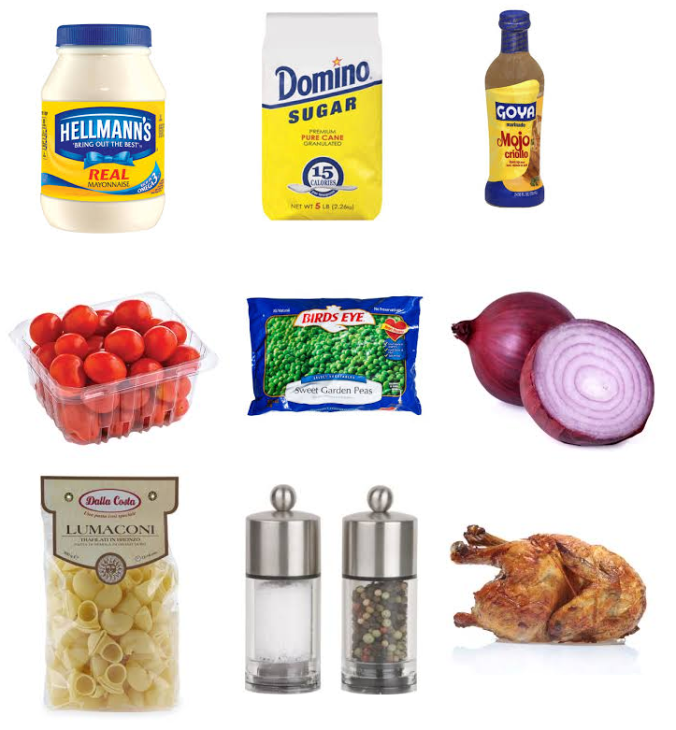
1/3 cup + 1/4 cup mojo criollo

1 cup mayonnaise

Pinch of sugar

Water

1/2 pound tubetti, sea shell, cavatapi, or lumaconi pasta

1 cup frozen peas, blanched and shocked

3/4 cup grape tomatoes or similar

1/4 cup diced red onion

3 cups cooked, shredded chicken

Salt and pepper to taste

Make dressing: Whisk together mayo, 1/3 cup mojo, and sugar.  Add enough water to make it the consistency of creamy salad dressing.  Taste and season.  Cover and refrigerate for at least two hours.

Slice tomatoes in half and place in colander.  Sprinkle with 1/4 teaspoon of salt and let sit out for at least 90 minutes.  This will draw out much of the moisture, so the tomato flavors are concentrated and the juice doesn’t dilute the dressing.

Cook pasta in heavily salted, boiling water until tender.  Drain.  While still hot, put into a large bowl and stir in ¼ cup mojo.  Cool completely.

1 hour before service, gently mix together all ingredients.  Stir in dressing.  Make it a bit wetter than you want the final product, as the dressing will absorb into salad and will dry out as it sits.

Let sit at room temp for one hour.  Before serving, toss and check for seasoning.

Serves 4-6 as a main or 8 as a side.

I buy them at the Durham Coop, and almost always have some in the fridge.

I served this with a large handful of pea shoots on top.  They’re exactly what you think; tiny shoots from a pea plant.  Fresh and green, with a mild peppery bite, they’re perfect for sandwiches and on top of dishes that need a hit of something bright.  They’re perfect on scrambled eggs and avocado toast.

We also had some bread with our meal.

While I was at Brier Creek picking up the mojo, I stopped by Earth Fare for one of the best deals in town.  They have freshly baked baguettes for only 98 cents, every day.  Right before we eat I run it under some water, and toss it in a 350-degree oven for 10 minutes or so.

This little trick brings bread back to bakery freshness.  I keep rolls and buns in the freezer, and with this method, we have fresh bread on demand (when frozen, they go for 13 minutes).  For yeasty dinner rolls, instead of water, I spread a thin layer of butter over the whole surface.  They come out crispy and buttery.

Plate up some of this pasta salad, pour a glass of rum, and turn on the salsa music.  You’re in Puerto Rico with no plane ticket required.

Thanks for your time.

A spare goose


Hey!  I think that kid in the lower left is wearing pajamas.

Go to any schoolyard, and talk to the kids about food likes and dislikes.  You’ll find out that French fries and pizza are big hits.  But my guess is that among the Brussel sprouts, liver and avocado, asparagus will land unequivocally among the top-ten “Ewww, Gross, No way!” list.

I’ve always been a fan.  Even when I was a kid, and asparagus came from a can, I liked those enigmatic green spears.

I don’t think I ever ate or even saw it fresh until I was in my teens.  Then I thought myself quite the gourmand to purchase, prepare, and eat pipe-cleaner sized asparagus.

And I thought that grassy was just the flavor of fresh.

Au contraire, mon frère.

One day, many years ago, I purchased some fresh asparagus.  On the tag was the farm’s phone number for more information about the veg, and recipes.  So, I called it.

The produce gods must have been smiling down on me that day because the phone was answered by the farm’s owner.  And this guy took me to asparagus school

Not the actual asparagus farmer.From left: Dancing Bear, Bunny Rabbit, Captain Kangaroo, Mr. Moose, and Mr. Green Jeans-my template for a farmer.

We spoke for at least an hour.  But by the time I hung up, he made sure I had a thorough understanding of his product.

The first thing we talked about is the life cycle of the plant.  It’s a perennial, meaning instead of starting a new plant every year, it grows year after year.  Many people already know this, but it must grow for a few years before the spears can be eaten.  But a healthy plant might last up to thirty years, with many happy springtime harvests.

But those pencil-thin, so-called babies?

no pencils

That’s what you get with a weak plant, or one that’s lived a full life and now is played out.  It is not, let me repeat this; not desirable.  It will never get the satisfying snap of a correctly cooked spear, and quelle surprise; tastes grassy because there is a surfeit of chlorophyll.

And this, I think, is why kids and many adults dislike this potentially delicious vegetable.  They’ve never eaten a good spear, cooked well.

My farmer friend informed me that the best asparagus is bright, healthy green, as thick as your thumb, with closed, dry tips.  Those restaurants that serve and grocers that sell those infuriating twigs are pulling the compost over your eyes.   They’re not gourmet specimens, they’re lies.

Why don’t we see fatties in stores more often?

Because these are the vegetables that the farmers keep and eat themselves.  And when they feast, sometimes they cook them like this:

Roasted asparagus

Untitledroasted goose

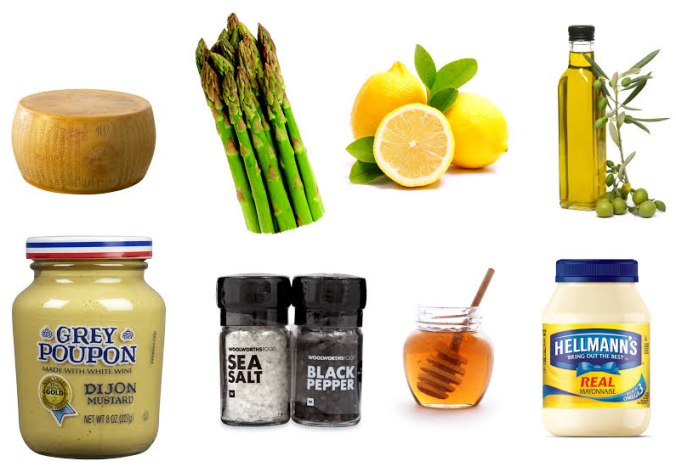
2 pounds fat asparagus cleaned, with woody ends broken off

Juice of half lemon with zest set aside

1 tablespoon Dijon mustard

1 teaspoon honey

2 teaspoons mayonnaise

1/4 cup olive oil

2 tablespoons finely grated parmesan + more for sprinkling

Salt & pepper

Whisk together all the ingredients except asparagus and sprinkling cheese.  Pour the marinade over asparagus in shallow baking dish and let sit for one hour.

15 minutes before cooking, place a large baking sheet with cooling rack on it into oven and preheat to 450.  Place veg onto cooling rack in single layer.  Sprinkle with the rest of the Parmesan and bake for 15-20 minutes turning once, until lightly tender, but crisp.

Place cooked asparagus into serving vessel and sprinkle with pinch of large flaky salt and reserved lemon zest.  Serves 4-6.

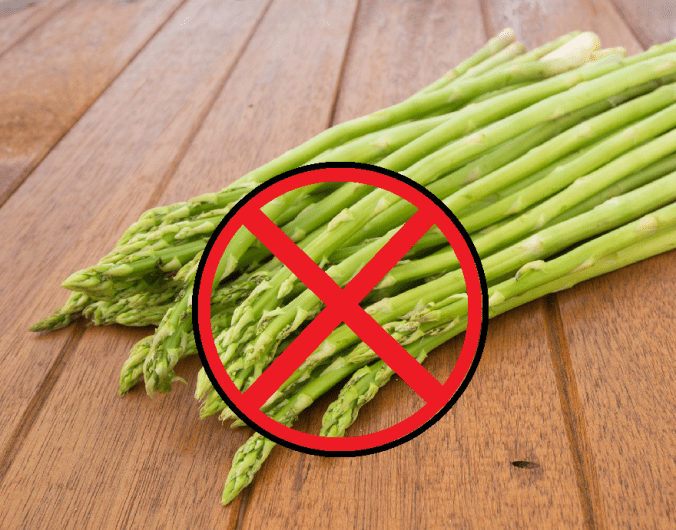
Nope.

And oh yeah, about that goose in the title?   There’s no lurking fowl.  Here at Chez Matthews, it’s just what we call asparagus.

Thanks for your time.

The runaround


So after we voted on Election Day, Petey and I took care of some errands around town.

We headed over to King’s Red and White to order a nice, big, Daisyfield ham for Easter dinner.  This year I’m doing a honey glaze with a chopped peanut coating.

Regina Hicks, an institution at King’s, and I always take a few minutes to catch up.  I discuss my plans for the ham, and she always tells me what she’s really liking in the meat case, and gives me some great ideas.

Regina pointed out a cut I’ve never used before.

But the funny thing is, a week ago I saw it in another supermarket and pondered buying it but didn’t.  It was pork chops, but chops that had been cubed.

Just like beef cubed steak, these had been run through a machine fitted with multiple spikes that pierce the flesh, which tenderizes, and to a certain extent, flattens the meat.  Because of the needling, it cooks fast, which is why another name for it is minute steak.  I use cubed steak for country-fried steak with cream gravy, and country-style steak with brown onion gravy.

Regina said the pork could be used the same way, but suggested another preparation.  She lightly sprinkles a seasoned salt on it, then cooks it briefly in a skillet, melts some cheese on it, and puts it on a bun with sliced tomato.

Even before I cooked it, I knew it would be good, ‘cause in all the years I’ve been shopping at King’s, Regina has never once steered me wrong.

Cubed pork chop sandwiches

cubed pork

2 pork chops, cubed (1/4-1/2 pound each)

1 teaspoon seasoned salt (or just salt and pepper)

1 tablespoon butter

2 very fresh Mexican Telera rolls (or another soft sandwich roll)

Butter lettuce

Shaved red onion

Mayonnaise

Dijon mustard

Preheat a cast iron skillet on medium for 5 minutes.  Pat meat dry with a paper towel and season both sides.  When good and hot put butter in pan and let melt.  Lay in chops and cook on each side for about 90 seconds.  Remove and let sit for 3 minutes.

Split rolls in half and spread Dijon on one side, and mayo on the other.  Cover the bottom slice with lettuce.  Place on pork and cover with shaved onion to taste.

Serve with cole slaw and chips or fruit.

After we left King’s, we went down Roxboro make a stop at the CVS.  But on the way, I saw the TROSA thrift shop at 3500 N Roxboro St, where the Walmart used to be.  I asked Petey to pull in.

Recently I’ve begun visiting the Durham Rescue Mission thrift shop on highway 70.  I’ve been collecting cute little Corning Ware baking dishes, and they usually have them.  And they have a huge selection of books for almost nothing.  Also, I’ve been helping The Kid set up housekeeping and had found a Frugal Gourmet brass pepper mill for less than $10, and my very best find; a like-new bread box that Williams Sonoma sells for $120.  I paid just SEVEN DOLLARS.

That’s right, seven dollars, I swear.

At TROSA I found some more books and a couple of Corning baking dishes.  But both stores are treasure troves of furniture, housewares, appliances, and more.  And by shopping there you’re helping out really worthy organizations.  It’s also fun, like a scavenger hunt.  You never, ever know what you’ll find.

Our next and last stop was the main library at 300 N Roxboro to pick up the new Christopher Buckley that I’d reserved.

Drawers full of good eats.  Can you say that about your own drawers?

Up in the reference department, in an old wooden card catalog cabinet is one of the library’s newest, coolest additions.  They have started a seed collection.  They have close to 100 different plants; veggies, herbs and flowers.  I got enough for a full herb garden: two types of parsley, three kinds of basil, thyme, chives, and dill, plus five different flowers.

These are all free; they just ask that if you are able to harvest seeds, bring them in to share.

I know I’m beginning to sound like a broken record, but I am so grateful for this amazing town of ours.

Next week I promise; we’ll leave the city limits.

Thanks for your time.